Find the Right Wearable for Your Style and Everyday Life

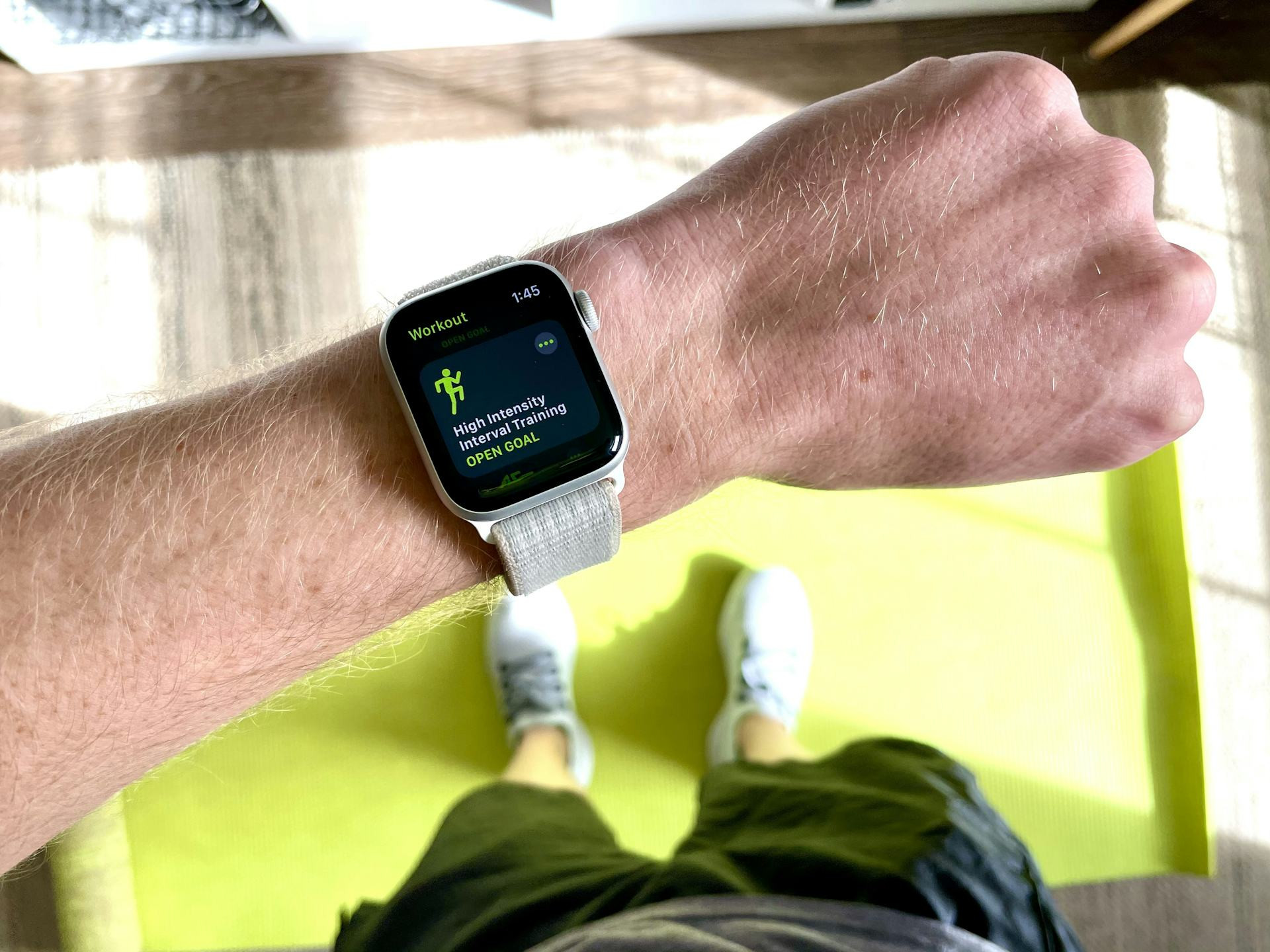
Discover how to choose a wearable that fits your lifestyle, needs, and personal style
Gadgets
Gadgets
6 min
From smartwatches to fitness trackers and smart rings, wearable technology is now part of everyday life. Learn how to find the perfect device that complements your look, supports your goals, and keeps you connected throughout the day.
Elias Cooper
Elias
Cooper

Find the Right Wearable for Your Style and Everyday Life

Discover how to choose a wearable that fits your lifestyle, needs, and personal style
Gadgets
Gadgets
6 min
From smartwatches to fitness trackers and smart rings, wearable technology is now part of everyday life. Learn how to find the perfect device that complements your look, supports your goals, and keeps you connected throughout the day.
Elias Cooper
Elias
Cooper

Wearable technology has moved far beyond the realm of tech enthusiasts. Today, smartwatches, fitness trackers, and even smart rings are designed to fit seamlessly into your lifestyle—helping you stay connected, track your health, and express your personal style. But with so many options on the market, how do you choose the one that’s right for you? Here’s a guide to finding a wearable that matches both your needs and your everyday life.

What Is a Wearable—and Why Use One?

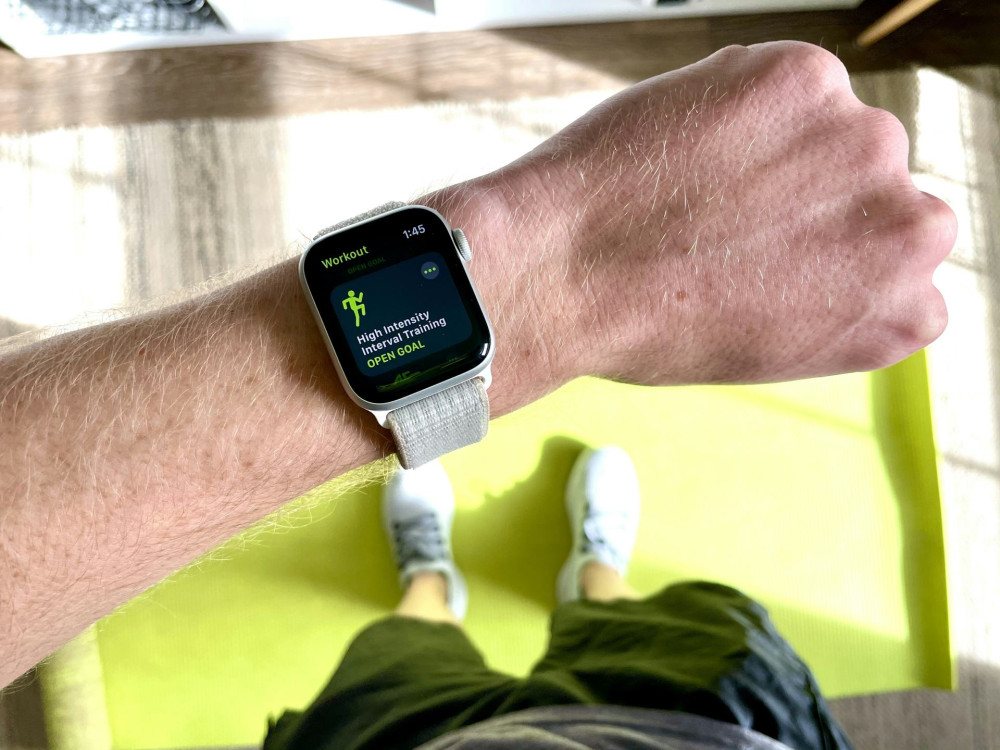
A wearable is an electronic device you wear on your body—most often as a watch, bracelet, or ring—that collects and displays data about your activity, health, or environment. The most common types are smartwatches and fitness trackers, but the category is expanding quickly to include smart glasses, clothing with built-in sensors, and more.

The goal is to give you insight into your daily habits—how much you move, how well you sleep, and how your body responds to stress. Many wearables also act as an extension of your smartphone, letting you check notifications, control music, or make contactless payments right from your wrist.

Know Your Needs Before You Buy

Before you start shopping, think about what you really want your wearable to do. There’s a big difference between a simple step counter and a full-featured smartwatch that can run apps and replace your traditional watch.

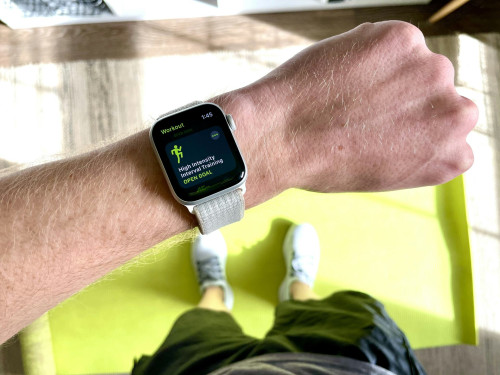
  • For the fitness enthusiast: Look for a model with accurate heart-rate tracking, built-in GPS, and water resistance. These features help you monitor workouts, routes, and recovery.
  • For busy professionals: A smartwatch with calendar alerts, message notifications, and mobile payments can help you stay organized without constantly reaching for your phone.
  • For the health-conscious: Some wearables track blood oxygen levels, stress, and sleep quality—useful if you want to better understand your body and habits.
  • For the style-focused: Design matters. Many models come in different materials, colors, and finishes, so you can find one that fits both your work attire and your weekend look.

Design and Comfort—It Has to Feel Right

A wearable should not only work well but also feel comfortable. Try different sizes and band materials before deciding. A strap that’s too tight can affect sensor accuracy, while one that’s too loose can slide around and become annoying.

Think about how it fits your personal style, too. Some people prefer a classic stainless-steel design, while others go for a sporty silicone band and colorful display. Many brands now offer interchangeable bands, so you can switch up your look for different occasions.

Battery Life and Features—Find the Right Balance

Battery life varies widely. A simple fitness tracker might last for weeks, while a feature-packed smartwatch may need daily charging. Consider how often you’ll use power-hungry features like GPS, music playback, or a bright always-on display.

If you travel frequently or don’t want to think about charging every night, a model with long battery life might be best. On the other hand, if you want a device that does it all, a smartwatch with more advanced features could be worth the trade-off.

Compatibility and Apps

Always check whether the wearable works with your smartphone. Some models are designed for specific operating systems—Apple Watch pairs best with iPhone, while many others are optimized for Android.

The companion app is just as important. Most wearables sync with an app that displays your data and insights. Some focus on detailed health analytics, while others emphasize motivation and goal tracking. Choose the one that fits how you like to use technology.

Price and Quality—What Do You Get for Your Money?

Wearables come in all price ranges. Budget-friendly fitness bands can cost under $100, while premium smartwatches from major brands can run several hundred dollars or more. Price often reflects build quality, sensor accuracy, and the range of available features.

If you’re new to wearables, consider starting with a mid-range model. It’ll give you the essential features without breaking the bank—and you can always upgrade later if you find yourself wanting more.

A Part of Your Everyday Life—Not Just a Gadget

The best wearable is the one you’ll actually use. It’s not about having the most features, but about finding a device that fits naturally into your routine. A good wearable should make life easier, not more complicated.

Once you find the right one, it can become a valuable companion—helping you stay active, organized, and mindful throughout your day.

Small Technological Breakthroughs, Big Changes: Innovation Driven by Sensors, Batteries, and Materials
How small innovations in sensors, batteries, and materials are reshaping industries and everyday life
Gadgets
Gadgets
Technology
Innovation
Sensors
Batteries
Materials Science
2 min
From smarter sensors and longer-lasting batteries to advanced materials with surprising properties, small technological breakthroughs are driving major changes across healthcare, energy, transportation, and consumer technology. Discover how these subtle innovations are powering the next wave of progress.
Aurora Chavez
Aurora
Chavez
Inside the Laptop: How the Computer’s Key Components Work Together
Discover the hidden teamwork behind your laptop’s powerful performance
Gadgets
Gadgets
Laptop
Computer Hardware
Technology
Components
Computing
4 min
Peek beneath the surface of your laptop and uncover how its key components—processor, memory, storage, graphics, and more—work together to deliver speed, efficiency, and seamless computing. Learn what makes your everyday device a technological marvel.
Ivy Davis
Ivy
Davis
Games That Changed Everything: The Icons Behind Gaming’s Technological Advancements
From arcade classics to virtual reality, discover the games that reshaped technology and culture.
Gadgets
Gadgets
Video Games
Gaming History
Technology
Innovation
Game Development
5 min
Explore how groundbreaking titles—from Pong to Minecraft—transformed gaming into a driving force of innovation. This article traces the milestones that revolutionized graphics, gameplay, and connectivity, shaping the digital worlds we know today.
Jonah Andrews
Jonah
Andrews
Virtual Reality in Rehabilitation: When Technology Helps the Body Move Again
How virtual reality is transforming physical therapy and helping patients recover through immersive experiences
Tech
Tech
Virtual Reality
Rehabilitation
Healthcare Technology
Physical Therapy
Innovation
3 min
Virtual reality is revolutionizing rehabilitation by turning therapy sessions into engaging, interactive experiences. From stroke recovery to post-surgery training, VR helps patients rebuild strength, coordination, and confidence—bridging the gap between technology and human healing.
Elias Cooper
Elias
Cooper
Digitalization Changes Everything: New Demands for Service, Speed, and Accessibility
How digital transformation is redefining expectations for service, speed, and accessibility
Tech
Tech
Digitalization
Customer Experience
Technology
Innovation
Accessibility
6 min
As digitalization reshapes every aspect of daily life, customers and citizens alike demand faster, simpler, and more accessible solutions. This article explores how organizations can meet these new expectations and build trust in an increasingly digital world.
Wyatt Baker
Wyatt
Baker
The Future of Transportation: How New Technology Is Changing the Way We Move
Discover how innovation, sustainability, and automation are redefining the way we travel
Tech
Tech
Transportation
Technology
Innovation
Sustainability
Future Mobility
4 min
From electric cars and shared mobility to AI-driven vehicles and green energy, transportation is undergoing a rapid transformation. Explore how emerging technologies are shaping smarter, cleaner, and more connected ways to move in the future.
Aurora Chavez
Aurora
Chavez
Make Your Digital Meetings More Engaging – How to Strengthen Online Collaboration
Turn routine video calls into meaningful, productive, and engaging online collaborations
Tech
Tech
Digital Meetings
Online Collaboration
Remote Work
Team Engagement
Virtual Communication
3 min
Discover practical strategies to make your digital meetings more dynamic and human. Learn how to boost participation, improve communication, and create a stronger sense of connection—no matter where your team members are located.
Ivy Davis
Ivy
Davis
AI as a Learning Partner: How Artificial Intelligence Strengthens Employee Skill Development
Discover how AI is reshaping workplace learning and empowering employees to grow faster and smarter.
Tech
Tech
Artificial Intelligence
Employee Development
Workplace Learning
HR Technology
Future of Work
6 min
Artificial intelligence is transforming employee development by making learning more personalized, data-driven, and continuous. Explore how AI tools can act as learning partners, support managers and HR, and help organizations build future-ready skills.
Jonah Andrews
Jonah
Andrews