The Future of Transportation: How New Technology Is Changing the Way We Move

The Future of Transportation: How New Technology Is Changing the Way We Move
Transportation is one of the cornerstones of modern life. We rely on it to get to work, school, the grocery store, and across the country. But the way we move is changing faster than ever before. New technologies, cleaner energy, and digital platforms are reshaping everything from city traffic to cross-country travel. The question is no longer if transportation will change, but how—and how soon.
The Electric Revolution Accelerates
Electric vehicles (EVs) are no longer a niche product in the United States. Once seen as expensive and impractical, they are now a realistic option for millions of drivers. Battery prices are dropping, ranges are increasing, and charging stations are appearing in cities, suburbs, and along highways from coast to coast.
But electrification goes far beyond personal cars. Electric buses, delivery vans, and even trucks are becoming more common. Major logistics companies are investing in electric fleets, and cities from Los Angeles to New York are replacing diesel buses with zero-emission alternatives. The result: cleaner air, quieter streets, and a significant reduction in greenhouse gas emissions.
Læs også:


Shared Mobility and Flexibility
The rise of the sharing economy has transformed how Americans think about getting around. Car-sharing, bike-sharing, and e-scooter services have made it easier to move through cities without owning a vehicle. For many urban residents, it’s now more convenient—and often cheaper—to “borrow” transportation when needed rather than maintain a personal car.
Digital platforms make this seamless. With a few taps on a smartphone, users can plan routes, reserve vehicles, and pay instantly. This shift toward Mobility as a Service (MaaS) is redefining transportation as an on-demand utility rather than a personal possession.
Artificial Intelligence and Autonomous Vehicles
Self-driving cars have long been a symbol of the future, and while they’re not yet a common sight on American roads, the technology is advancing rapidly. Companies like Waymo, Tesla, and Cruise are testing autonomous vehicles in several states, using sensors, cameras, and AI algorithms to navigate complex traffic environments.
Artificial intelligence is also improving traffic management. Smart traffic lights that adjust in real time, predictive systems that anticipate congestion, and AI-driven logistics networks are making transportation more efficient and safer. As these systems mature, they could dramatically reduce accidents and travel times.
Green Fuels and New Energy Sources
Electricity alone won’t power every form of transportation. Long-haul trucks, airplanes, and ships still require dense energy sources that batteries can’t yet provide efficiently. That’s why researchers and companies are investing in alternative fuels such as hydrogen, biofuels, and synthetic e-fuels made from renewable energy and captured carbon.
Hydrogen-powered vehicles can refuel quickly and travel long distances, while sustainable aviation fuels are already being tested by major airlines. The future of transportation will likely depend on a mix of technologies, each suited to different needs, all aimed at reducing emissions and dependence on fossil fuels.
Smarter Cities and Less Congestion
As urban populations grow, cities across the U.S. are rethinking how people move. Concepts like the “15-minute city”—where daily needs are within a short walk or bike ride—are gaining traction. Investments in public transit, protected bike lanes, and pedestrian-friendly design are helping reduce traffic and improve quality of life.
At the same time, data is becoming a powerful tool for city planners. Sensors, GPS data, and smartphone apps provide real-time insights into traffic patterns, helping optimize routes and reduce bottlenecks. The result could be cities that are not only greener but also more livable and efficient.
Taking to the Skies—and Beyond
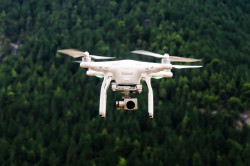
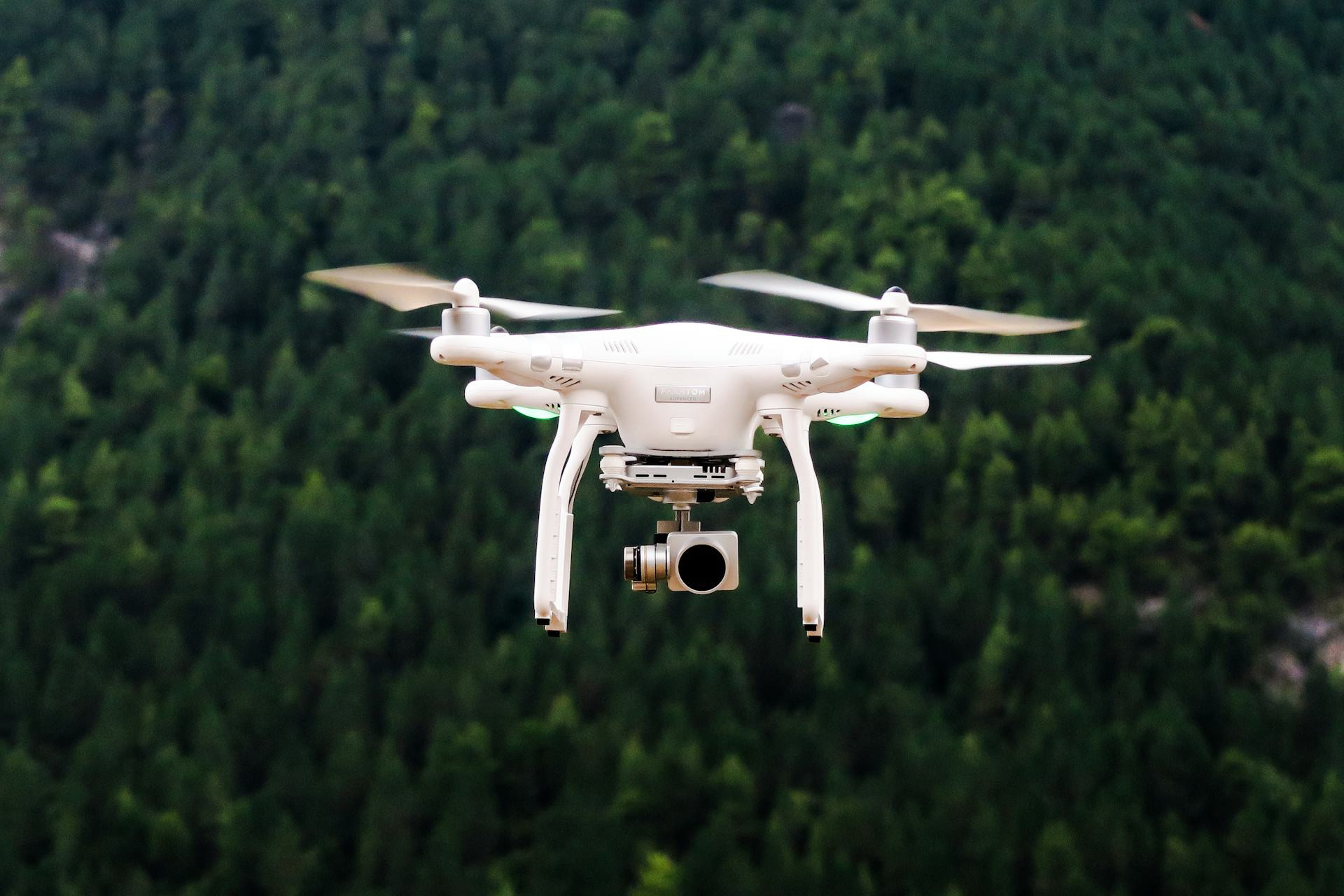
Even air travel is undergoing a transformation. Electric and hybrid aircraft are entering test phases, promising quieter and cleaner short-distance flights. Several companies are also developing air taxis and drone-based delivery systems that could one day become part of urban transportation networks.
While these ideas may sound futuristic, they’re moving closer to reality. Within a few decades, we may see a new dimension of mobility—literally above our heads.
A New Way to Think About Mobility
The future of transportation isn’t just about new machines—it’s about new habits. We’re moving toward a system that’s integrated, sustainable, and digitally connected. A future where a single app can plan and pay for a trip that combines a bike, train, and shared car in one seamless journey.
Technology is changing not only how we get from point A to point B, but also how we think about movement itself. The transportation of tomorrow may not always be faster, but it will be smarter, cleaner, and more attuned to the world we want to live in.
Læs også: