The Future of Streaming: How Faster and More Reliable Internet Infrastructure Enhances the Experience

The Future of Streaming: How Faster and More Reliable Internet Infrastructure Enhances the Experience
Streaming has become an essential part of everyday life in the United States — from movies and TV shows to music, gaming, and live events. Behind this convenience lies a constant evolution in technology that pushes the boundaries of what we can experience online. With the expansion of faster and more reliable internet connections — especially fiber and 5G — we are entering a new era of streaming. Here’s how improved infrastructure is transforming the way Americans watch, listen, and play.
From Buffering to Seamless Experiences
We’ve all been there: the movie freezes at the most intense moment, and the dreaded loading circle appears. Buffering has long been the Achilles’ heel of streaming, but with higher speeds and lower latency, it’s quickly becoming a thing of the past.
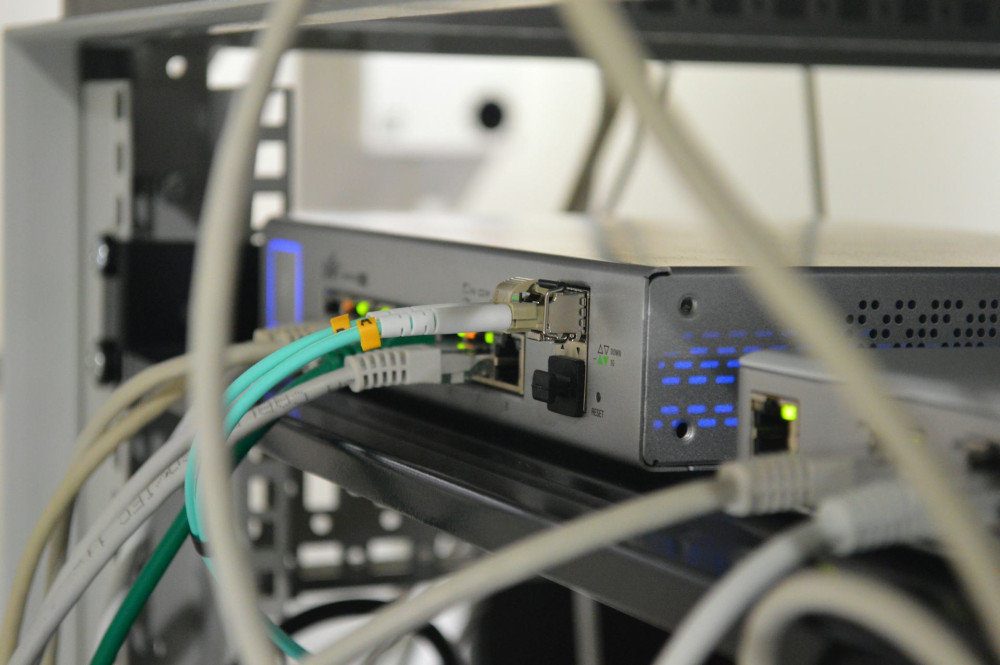
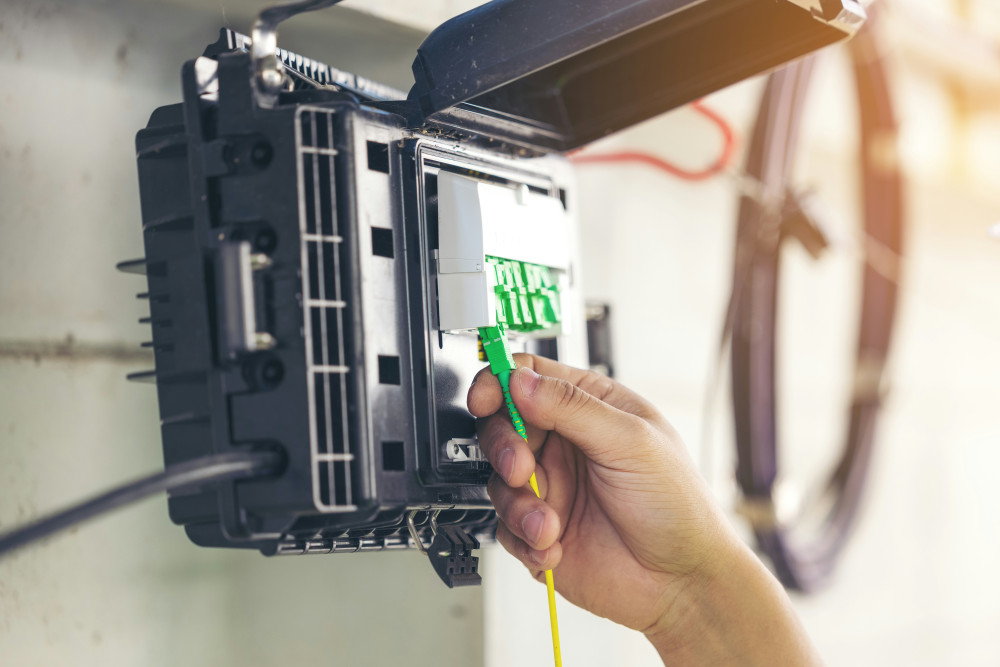
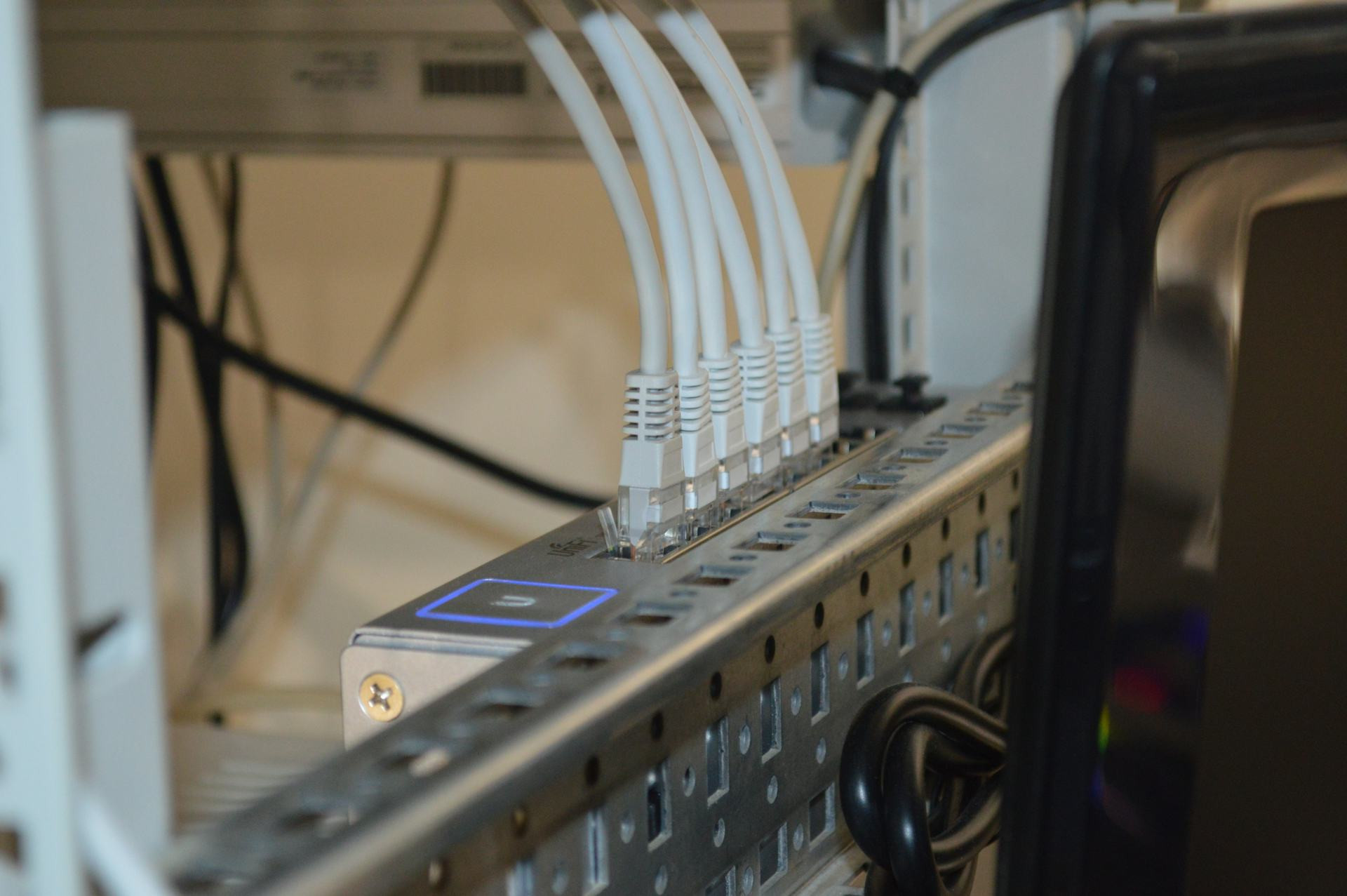
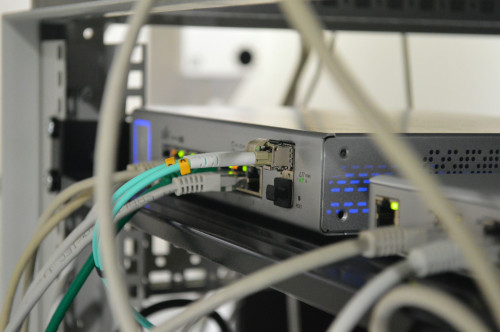
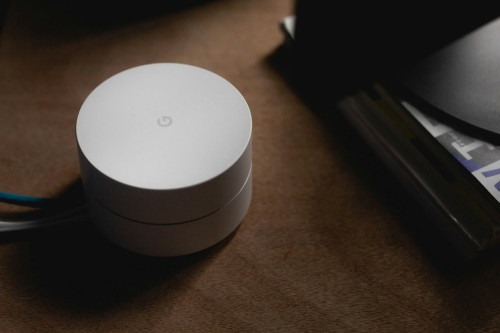
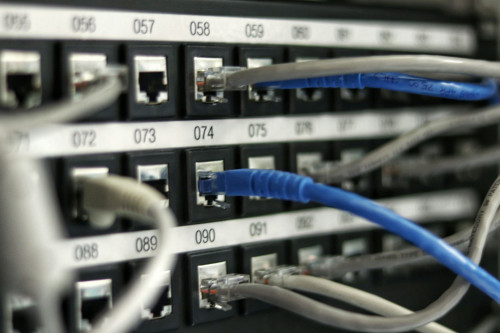
Fiber-optic connections now deliver gigabit speeds to millions of U.S. households, allowing massive amounts of data to move effortlessly. At the same time, modern routers and network protocols ensure stable connections even when multiple devices are online. The result is instant playback, smooth performance, and consistently high quality — no interruptions, no frustration.
Læs også:

4K, 8K, and the Next Generation of Picture Quality
4K streaming is already standard on most major platforms, but the next leap is underway. 8K resolution and higher frame rates demand enormous bandwidth, which only the fastest networks can handle. With fiber and 5G, ultra-high-definition content can be streamed with minimal compression, delivering sharper images, richer colors, and a more lifelike experience.
For viewers, that means theater-quality visuals right in the living room. For creators, it opens the door to new formats like interactive video and 360-degree experiences that were once too data-heavy to stream in real time.
Cloud Gaming and Interactive Entertainment
Streaming isn’t just about watching anymore — it’s about playing. Cloud gaming services such as Xbox Cloud Gaming, NVIDIA GeForce Now, and PlayStation Plus Premium allow players to stream high-end games directly from the cloud, eliminating the need for expensive consoles or PCs. Here, low latency is critical, and that’s exactly where the new internet infrastructure makes a difference.
With 5G and fiber, games can run with millisecond-level response times, making the experience feel as immediate as playing on a local device. This shift could make gaming as accessible as movies — just click and play.
More Users, Same Quality
In many American households, streaming is a shared activity. One person might be watching a movie in the living room, another gaming in the bedroom, while music streams in the kitchen — all at once. In the past, that could lead to slowdowns and lower quality, but modern network technology is built to handle multiple simultaneous connections with ease.
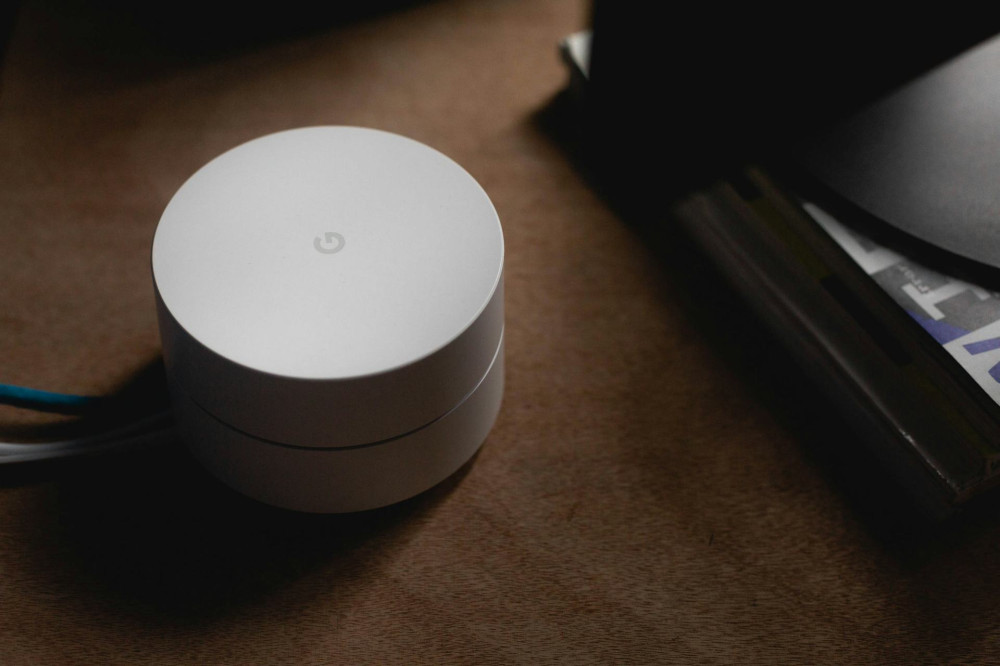
Wi-Fi 6 and the upcoming Wi-Fi 7 standards make it easier to distribute bandwidth efficiently, ensuring that everyone in the household enjoys a stable, high-quality experience no matter how many devices are connected.
Greener Streaming and Smarter Data Centers
Faster internet doesn’t have to mean higher energy consumption. In fact, the new infrastructure can make streaming more sustainable. Fiber networks use less energy per gigabyte than older copper lines, and U.S. data centers are increasingly optimized to reduce carbon emissions.
Streaming platforms are also improving their compression technologies, maintaining quality while reducing data loads. The result is a future where streaming is not only better — but greener.
What It Means for Consumers
For American consumers, this evolution means freedom — the freedom to choose what to watch, where to watch it, and in what quality. It’s easier to share connections across the household, to work and play online without interruptions, and to explore new forms of digital entertainment.
At the same time, the need for expensive hardware is diminishing. With fast connections and cloud-based services, even older devices can deliver experiences that once required top-tier equipment.
A New Era of Digital Experience
The future of streaming isn’t just about speed — it’s about the overall experience. As internet infrastructure becomes faster and more reliable, the technology fades into the background, letting the content take center stage. That’s where the magic happens: when the tech disappears, and we’re left simply enjoying the movie, the music, or the game — exactly as it was meant to be.
Læs også: