When Everything Is Connected: The Need for Internet in the Modern Digital Household

When Everything Is Connected: The Need for Internet in the Modern Digital Household
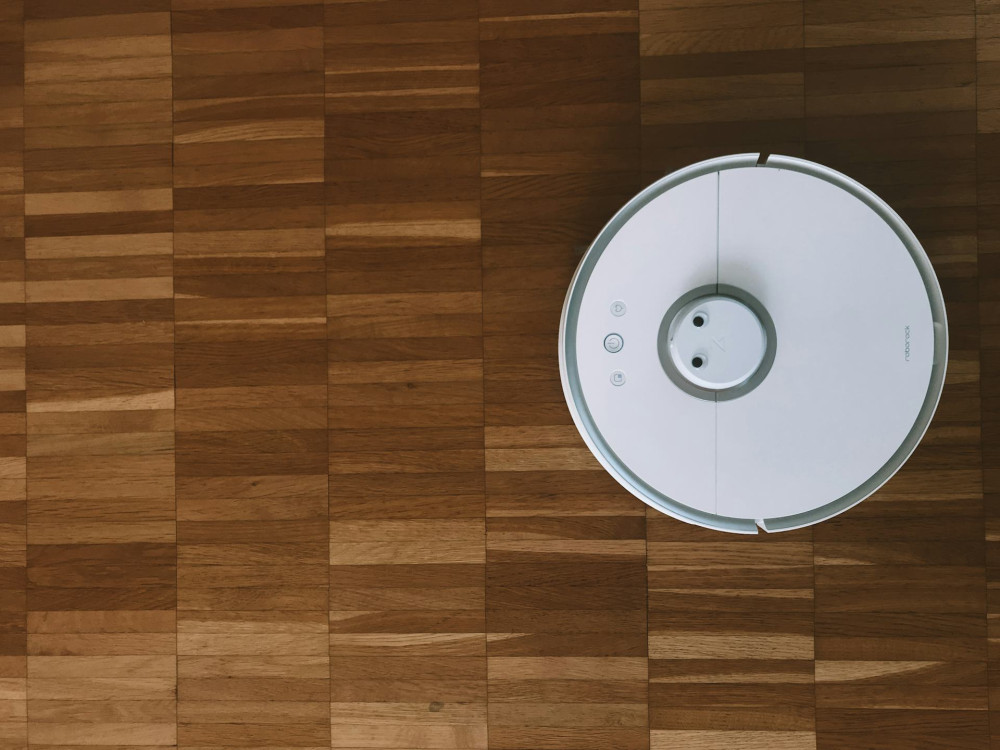
Just a couple of decades ago, a home internet connection was mainly about checking emails and browsing the web. Today, the picture looks very different. From TVs and speakers to thermostats, security cameras, and even refrigerators, nearly everything in the modern household is online. The home has become a digital ecosystem where a fast and reliable internet connection is as essential as electricity and running water. But what does it take to keep all those devices connected—and how can you make sure your network can keep up?
More Devices, Greater Demands
In the average American household, there are now more than 20 devices connected to the internet—and that number keeps growing. Smartphones, tablets, laptops, smart TVs, gaming consoles, smart speakers, and home automation systems all share the same connection.
When multiple devices are online at once, the demand for both speed and stability increases. A family where two adults work remotely while kids stream movies or play online games can quickly push a network to its limits.
That’s why it’s no longer just about having “fast internet.” It’s about having a connection that can handle many simultaneous users and devices without compromising performance.
What Internet Speed Really Means
Internet providers often advertise impressive speeds, but it’s not always clear what those numbers mean in everyday use.
- Download speed determines how quickly you can receive data—like streaming a movie or downloading a file.
- Upload speed measures how fast you can send data—important for video calls, cloud backups, and sharing large files.
For households where multiple people work or study from home, a symmetrical connection—where upload and download speeds are equal—can make a big difference. It ensures smoother video calls, faster file sharing, and a more consistent experience overall.
Læs også:

Fiber, Cable, or Wireless?
The type of internet connection you choose has a major impact on performance.
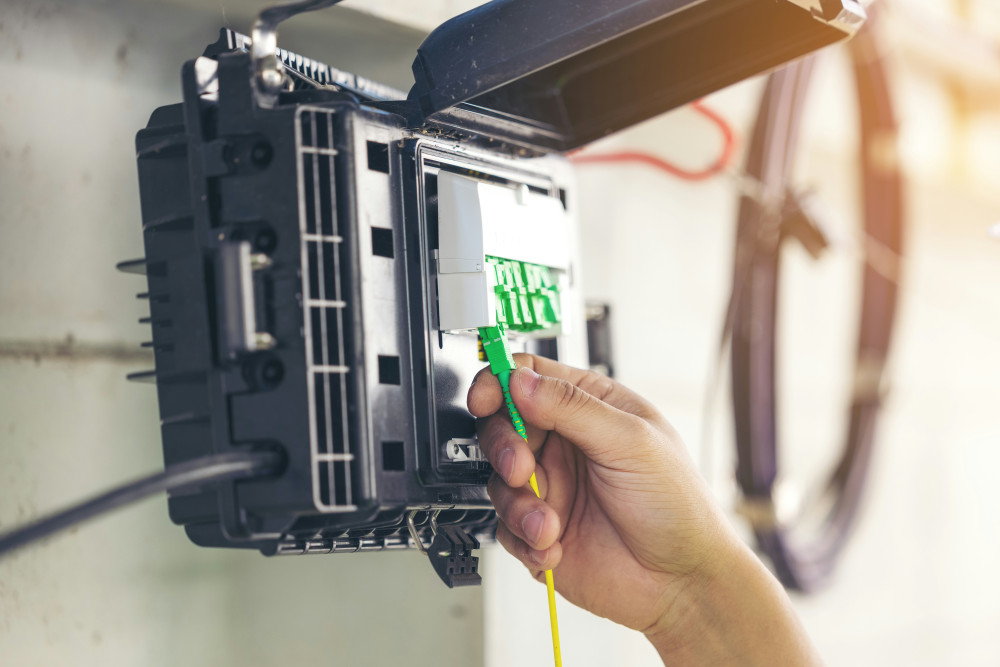
- Fiber offers the fastest and most reliable connection, with speeds that can easily handle future demands. It’s not affected by distance or weather and provides consistent performance.
- Cable (coaxial) internet can also deliver high speeds, but bandwidth is often shared with neighbors, which can cause slowdowns during peak hours.
- Fixed wireless and 5G home internet are flexible options, especially in rural or underserved areas, but they can be more sensitive to signal interference and network congestion.
For most modern households, fiber is the gold standard—if it’s available. It provides both stability and scalability as your digital needs grow.
Wi-Fi That Reaches Every Corner
Even the fastest internet connection can feel sluggish if your Wi-Fi coverage is weak. Thick walls, multiple floors, and competing signals can create “dead zones” where the connection drops.
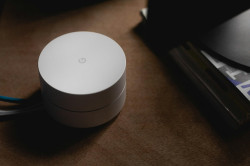
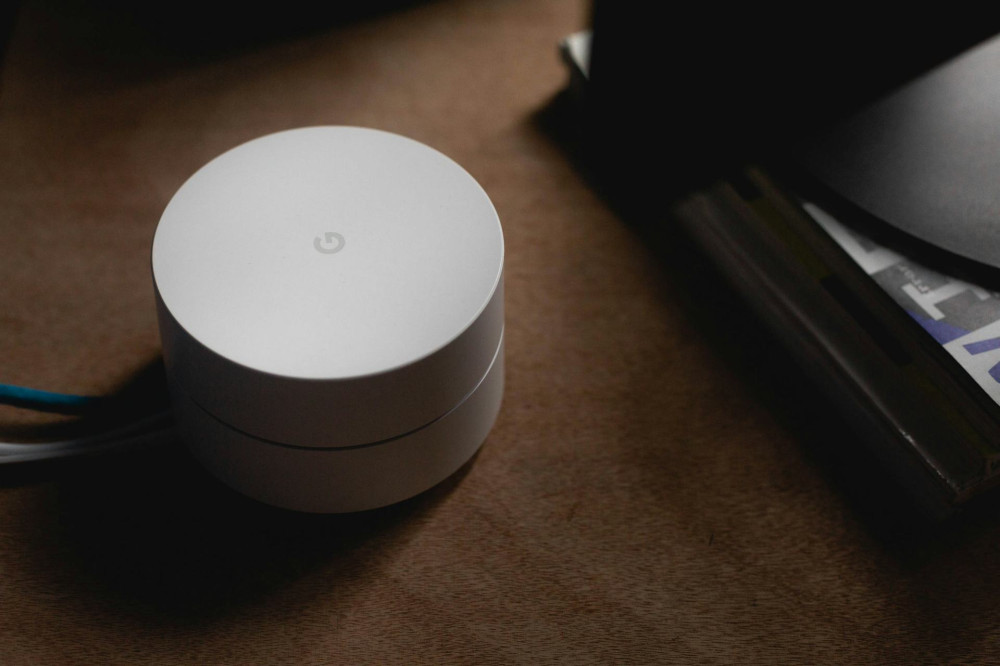
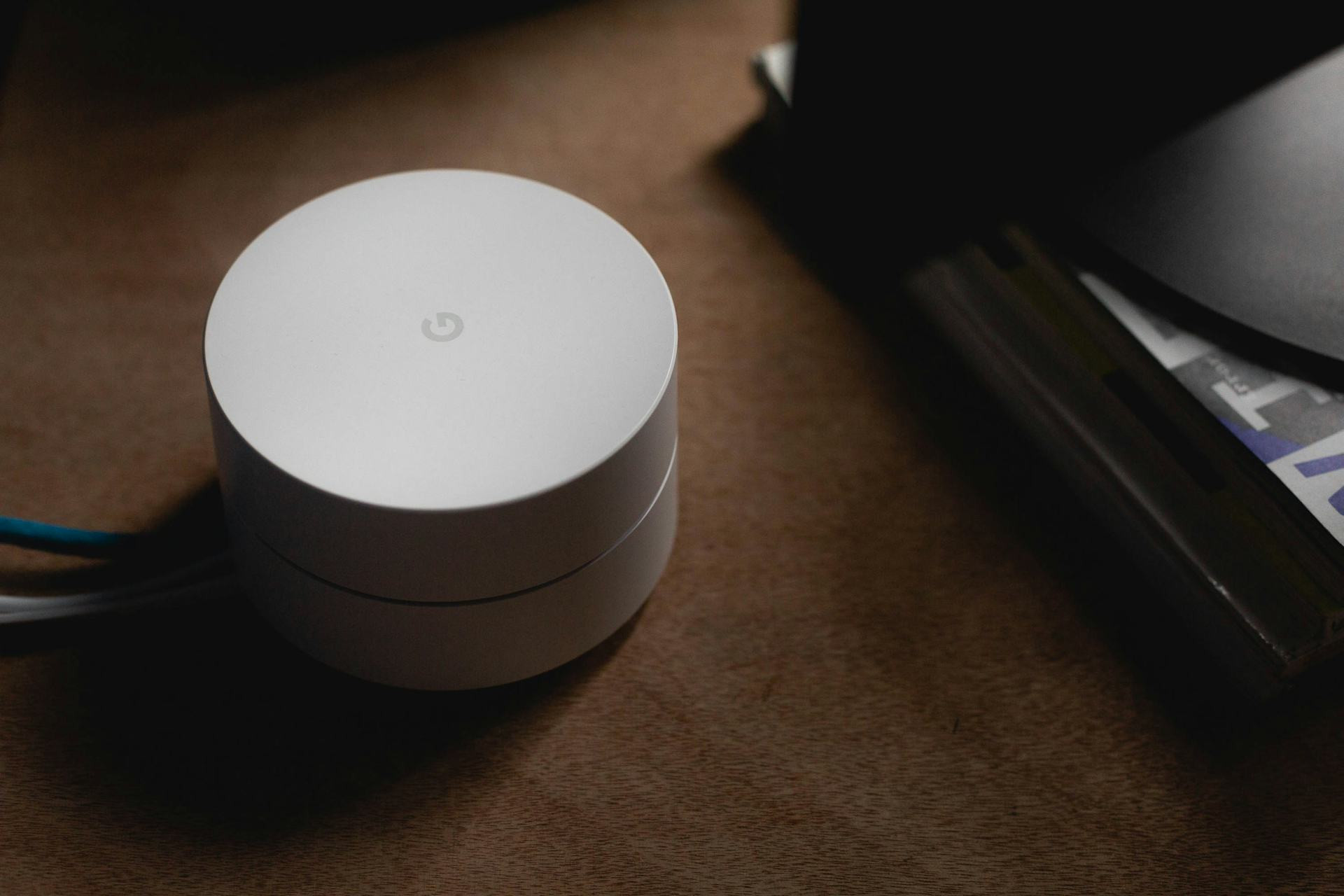
A mesh Wi-Fi system can solve this problem. It uses several small routers that work together to spread a strong, consistent signal throughout your home. That means you can move from the living room to the backyard without losing your connection.
It also helps to place your main router in a central location, away from large metal objects or appliances like microwaves that can interfere with the signal.
Security in a Connected World
As more devices connect to your home network, the risk of security breaches increases. Many people forget that smart devices—like cameras, thermostats, and voice assistants—can be vulnerable if not properly secured.
To protect your network:
- Change default passwords on all devices.
- Keep software and firmware up to date.
- Use strong Wi-Fi encryption (WPA3 if available).
- Consider setting up a separate guest network for visitors or smart devices.
A secure network doesn’t just protect your data—it protects your privacy and peace of mind.
The Future of Home Connectivity
The demand for bandwidth will only continue to grow. With 4K and 8K streaming, cloud gaming, virtual meetings, and smart home automation becoming the norm, tomorrow’s households will rely even more on robust internet connections.
At the same time, more essential functions—like energy management, home security, and even health monitoring—depend on constant connectivity. That makes the internet a critical part of home infrastructure, not just a convenience.
Investing in a stable, future-proof connection is therefore not just about comfort—it’s about being ready for the digital life ahead.
When Everything Is Connected, Connection Matters Most
The modern household is a network in itself—a blend of people, technology, and data. To make it all work seamlessly, you need the right connection, strong coverage, and a focus on security.
When everything is connected, the internet isn’t just another utility—it’s the foundation of daily life. And just as you wouldn’t settle for unreliable electricity, you shouldn’t settle for unreliable internet.
Læs også: