Why Is There a Difference in Broadband Coverage Between Urban and Rural Areas?

Why Is There a Difference in Broadband Coverage Between Urban and Rural Areas?
If you live in a city, you probably take fast, reliable internet for granted. Fiber-optic cables, 5G networks, and high-speed connections are part of everyday life. But for many Americans in rural areas, broadband access remains limited or inconsistent. Why is there such a gap—and what’s being done to close it?
Infrastructure and Economics Go Hand in Hand
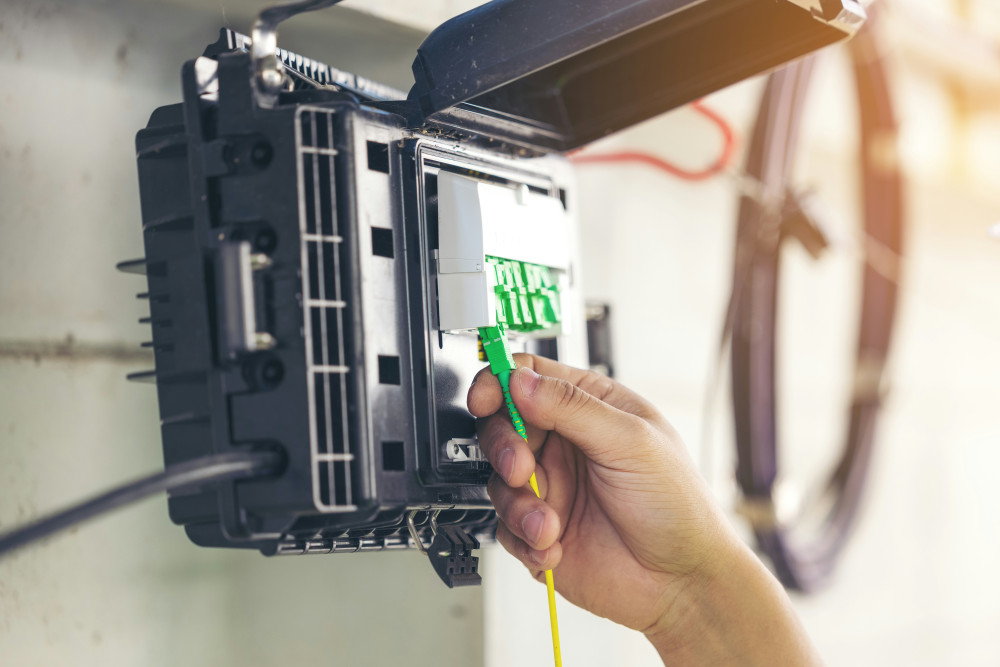
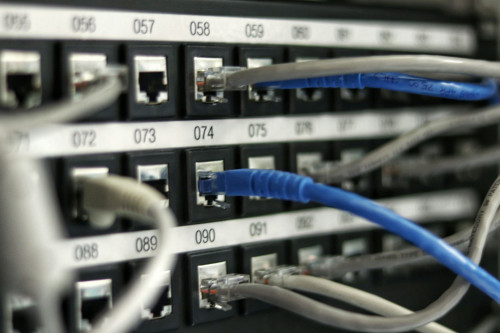
The main reason for the difference is economic. Building broadband infrastructure is expensive, especially fiber networks that require cables to be laid directly to homes. In densely populated urban areas, many customers live close together, so the cost per household is relatively low. In rural regions, homes are spread far apart, which means providers must invest much more money to reach far fewer customers.
For private companies, that’s often not a profitable business case. As a result, many rural communities have had to rely on older technologies like DSL or fixed wireless connections, which can’t match the speed and reliability of fiber.
Technology Makes a Difference
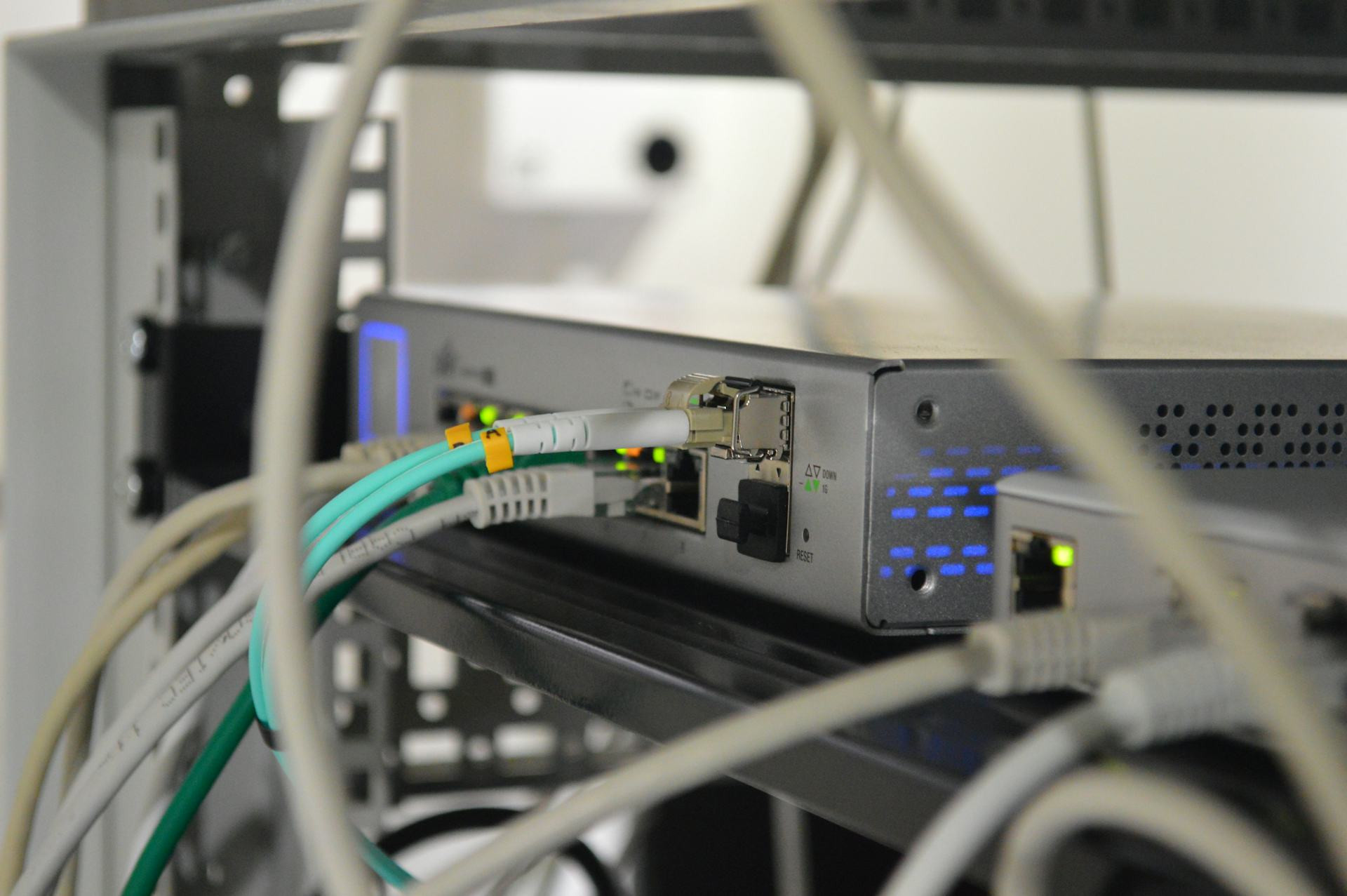
In most cities, fiber-optic internet is now standard, while many rural households still depend on copper-based lines or mobile broadband. Fiber offers much higher speeds and more stable connections, but it requires physical infrastructure that’s costly to install. Wireless options like 5G or satellite internet can help, but they come with limitations—signal strength can vary with distance, terrain, and network congestion.
That’s why rural users often experience fluctuating speeds, especially during peak hours when many people are online at once.
Government Programs and Local Initiatives
Recognizing that broadband access is essential for modern life, federal and state governments have launched several initiatives to expand coverage. Programs like the Federal Communications Commission’s (FCC) Broadband Equity, Access, and Deployment (BEAD) Program and the Rural Digital Opportunity Fund (RDOF) provide billions of dollars in grants to help bring high-speed internet to underserved areas.
In addition, local cooperatives, electric utilities, and community broadband projects have stepped in to fill the gaps. These efforts are helping to bring fiber and other high-speed options to small towns and remote communities that large providers have long overlooked.
Læs også:

Everyday and Economic Consequences
The broadband gap isn’t just an inconvenience—it has real consequences for people’s lives and livelihoods. For small businesses, farmers, and remote workers, a slow or unreliable connection can limit productivity and growth. Many modern agricultural operations rely on connected equipment and data analytics, while small-town entrepreneurs depend on e-commerce and online communication.
At home, the difference is just as noticeable. Remote work, online education, telehealth, and streaming all require stable connections. When those aren’t available, it can deepen social and economic inequalities between urban and rural residents.
The Future: Closing the Digital Divide
There’s reason for optimism. Fiber networks continue to expand, 5G coverage is growing, and new technologies like low-Earth-orbit satellite internet are making it possible to reach even the most remote areas. With continued investment and collaboration between public and private sectors, the digital divide can gradually be narrowed.
Access to fast, reliable internet is no longer a luxury—it’s a necessity for participation in modern society. Ensuring that every American, no matter their ZIP code, can connect to high-speed broadband is one of the key infrastructure challenges of our time—and one that’s finally getting the attention it deserves.
Læs også: