Trend or Functionality? How to Create Balance in Your Web Design

Trend or Functionality? How to Create Balance in Your Web Design
Web design constantly moves between two poles: aesthetics and functionality. On one side are the visual trends that grab attention and signal modernity. On the other are usability and performance — the elements that keep visitors engaged, clicking, and coming back. The challenge for any designer is to find the balance between the two. A beautiful design without function loses its purpose, while a functional but uninspired design rarely connects emotionally.
Here’s a guide to creating a web design that both looks great and works seamlessly.
Know the Purpose of Your Website
Before choosing colors, fonts, or animations, ask yourself one key question: What is the website supposed to do? Is it an e-commerce store, a portfolio, a nonprofit site, or a media platform? The purpose determines which design choices make sense.
An online store needs clear calls to action and a smooth checkout process. A creative portfolio can afford to experiment more with layout and visuals — as long as navigation remains intuitive.
When you understand your site’s purpose, it becomes easier to decide whether a trend enhances the user experience or simply distracts from it.
Trends That Help — and Hurt — the Experience
Design trends can be inspiring, but they should be used thoughtfully. Some trends improve usability, while others quickly become obstacles.
- Microinteractions – Small animations that respond to user actions, like clicks or scrolls. They can make the experience feel more intuitive when used subtly.
- Dark mode – Popular and easy on the eyes, but it requires careful attention to contrast and readability across devices.
- Minimalism – Creates focus and calm, but can go too far if essential information disappears.
- Large hero images or background videos – Make a strong first impression, but can slow down load times if not optimized.
A trend should always serve the purpose — not the other way around.
Usability as the Foundation
Good web design starts with the user. It’s about understanding how people navigate, read, and interact online. A few core principles always apply:
- Clear navigation – Users should always know where they are and how to move forward.
- Readability – Choose fonts and color contrasts that make text easy to read on both mobile and desktop.
- Speed – Even the most beautiful design loses impact if the page takes too long to load.
- Accessibility – Ensure that colors, text, and interactions work for everyone, including users with visual or motor impairments.
Once usability is solid, you can layer on aesthetics and personality.
Design with Data, Not Guesswork
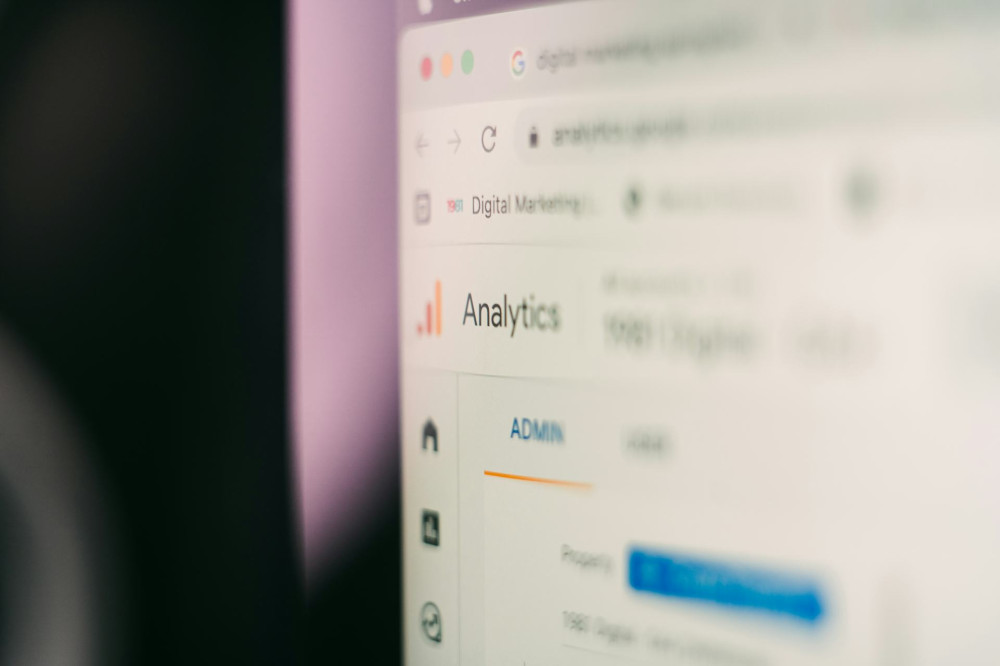
It’s tempting to design based on what you personally find appealing. But data often tells a different story. Use tools like Google Analytics, Hotjar, or A/B testing to see how users actually interact with your site.
Do they find what they’re looking for quickly? Are they clicking the right buttons? Where do they drop off? When you base design decisions on real behavior, you can adjust layout, colors, and features to support user needs — not just designer instincts.
Læs også:
Build a Visual Identity That Lasts
Trends come and go, but strong design is built on a clear identity. Define a color palette, typography, and imagery that reflect your brand’s personality. This consistency helps your site stay cohesive, even as you update it over time.
A timeless design doesn’t mean ignoring trends — it means choosing the ones that naturally fit your brand. That way, your site won’t feel outdated when the next wave of design fads arrives.
The Balance Between Form and Function
The best web design feels invisible — in the sense that users don’t have to think about it. Everything just works: it’s natural, fluid, and intuitive. When aesthetics and functionality work hand in hand, you create an experience that both inspires and performs.
So next time you consider a new design trend, ask yourself: Does it make the experience better for the user? If the answer is yes, it’s not just a trend — it’s an improvement.
Læs også: