From Niche to Mainstream: Gaming as a Global Entertainment Phenomenon

From Niche to Mainstream: Gaming as a Global Entertainment Phenomenon
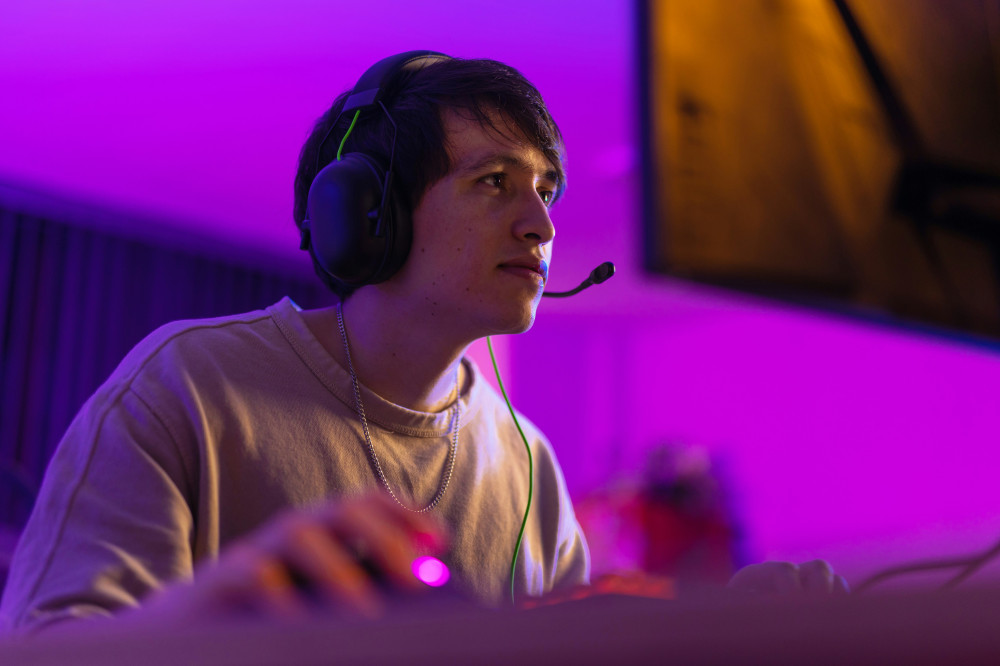
Just a few decades ago, gaming was often seen as a pastime for a small group of tech-savvy enthusiasts—mostly young men spending long hours in front of a screen. Today, that image couldn’t be further from reality. Video games have become one of the world’s largest entertainment industries, uniting people across age, gender, and culture. From mobile games played on the subway to international esports tournaments watched by millions, gaming has evolved from a niche hobby into a global cultural force.
From Arcades to Living Rooms and Smartphones
The story of gaming’s rise mirrors the story of technological progress. In the 1970s and 80s, titles like Pong and Pac-Man were revolutionary, but limited to arcades and simple home consoles. The 1990s brought gaming into living rooms with systems like the Super Nintendo and the original PlayStation, while the 2000s saw the internet transform the experience entirely. Suddenly, players could connect, compete, and collaborate with others around the world.
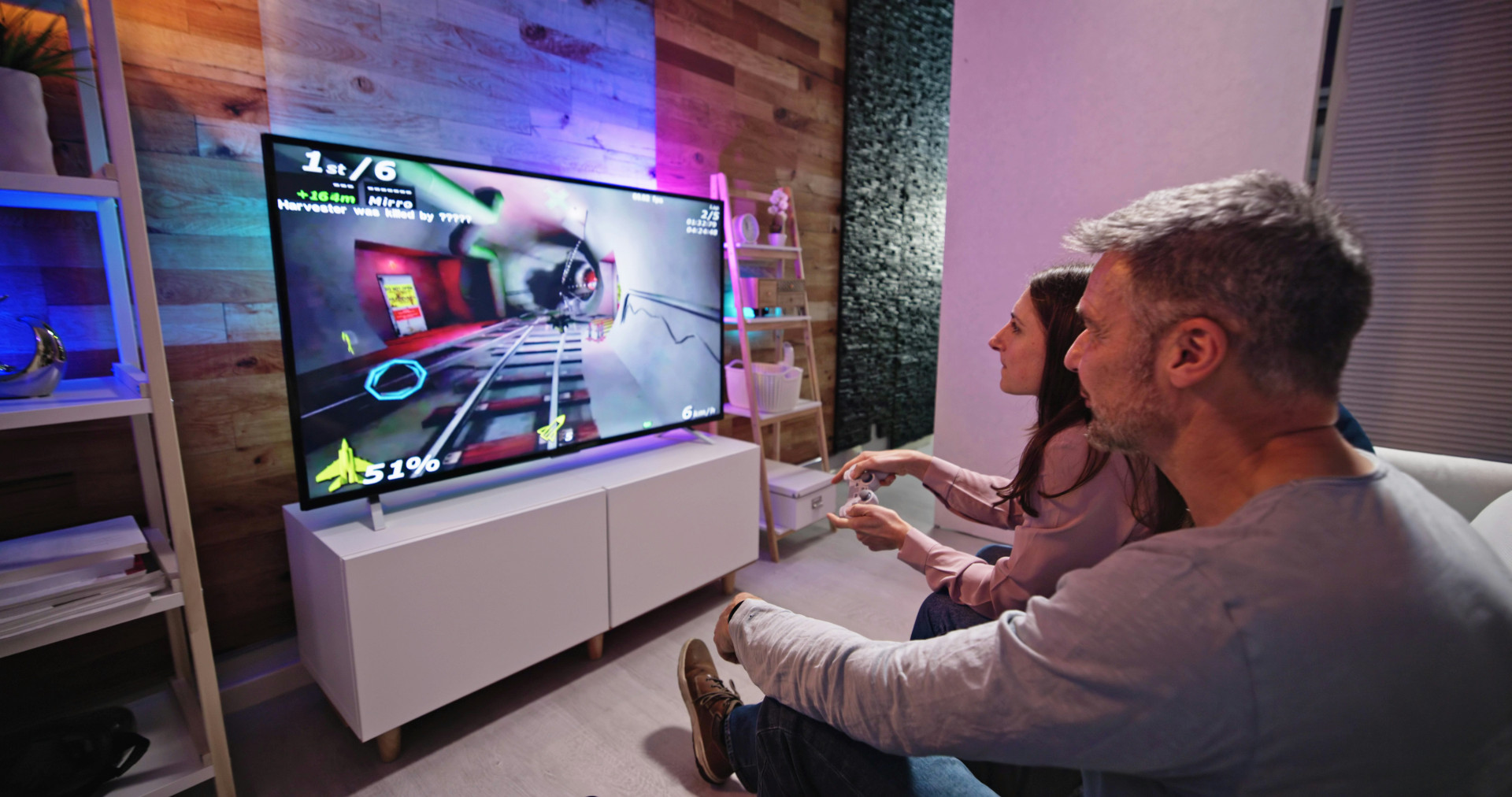
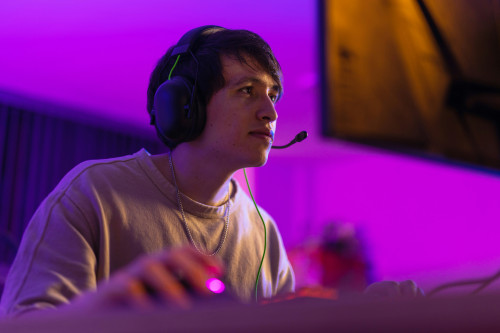
Today, gaming is everywhere. Smartphones have made games accessible to nearly everyone, and streaming platforms like Twitch and YouTube have turned gaming into a shared social experience. It’s no longer just something people play—it’s something they watch, discuss, and build communities around.
Læs også:
An Industry Bigger Than Film and Music
In recent years, the gaming industry has surpassed both film and music in global revenue. Major releases such as Grand Theft Auto V and Call of Duty have generated launch sales that rival or exceed blockbuster movie premieres. Meanwhile, new business models—microtransactions, subscription services, and “free-to-play” games—have reshaped how audiences consume entertainment.
But the growth isn’t just financial. Gaming has become a creative medium where storytelling, design, music, and technology intersect. Games like The Last of Us and Journey are now studied for their emotional depth and artistic expression, much like films or literature. The line between entertainment and art continues to blur.
Esports: Competition on a Global Stage
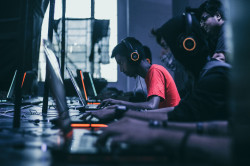
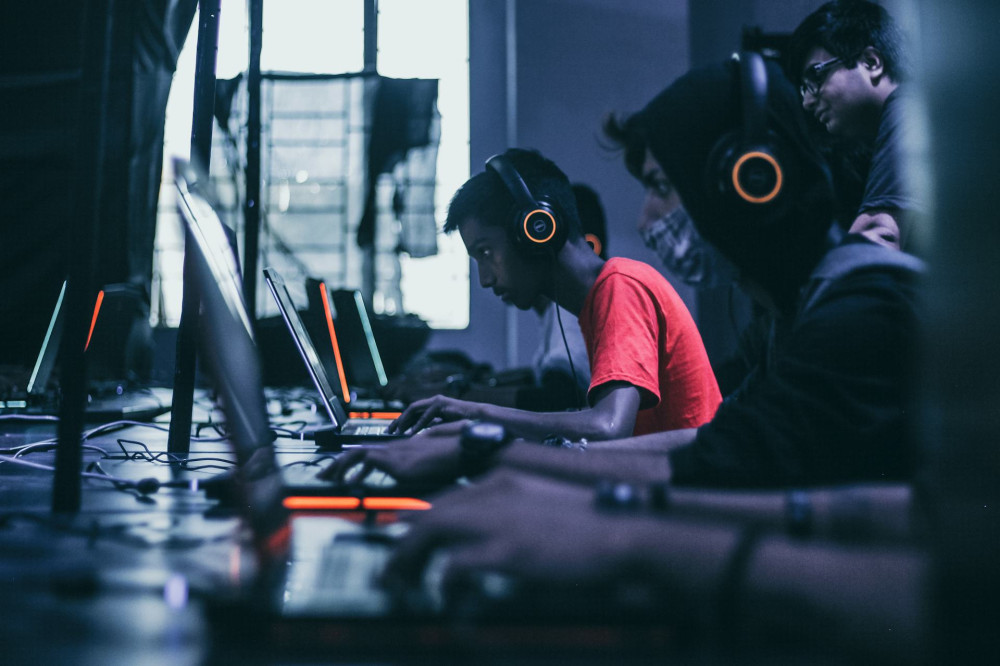
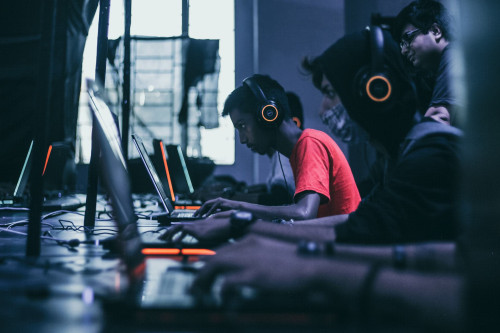
One of the clearest signs of gaming’s professionalization is the rise of esports. What began as small LAN parties in basements and community centers has evolved into a global sporting phenomenon. Professional players, corporate sponsors, and millions of fans now fill arenas for tournaments in games like League of Legends, Counter-Strike, and Dota 2. These events are broadcast on major networks and streaming platforms, drawing audiences comparable to traditional sports.
Esports has also redefined what it means to be an athlete. Professional gamers train physically and mentally, work in teams, and rely on coaches, nutritionists, and analysts—just like their counterparts in traditional sports. In the U.S., universities now offer esports scholarships, and high schools are forming competitive teams, signaling a new era of legitimacy for digital competition.
Gaming as a Social Experience
For many, gaming is less about competition and more about connection. Online worlds like Fortnite, Minecraft, and Among Us have become virtual meeting places where friends and families can gather regardless of distance. During the COVID-19 pandemic, gaming served as a vital social outlet, allowing people to stay connected when physical gatherings weren’t possible.
The culture surrounding gaming has also become a creative ecosystem. Fans produce artwork, mods, podcasts, and videos, while many young people learn coding, design, and sound production through their passion for games. Gaming has become both a social network and a gateway to creativity and learning.
Challenges and Responsibilities
With growth comes responsibility. Conversations about gaming addiction, microtransactions, and representation have become increasingly prominent. The industry faces pressure to create healthy environments—for both players and developers. This includes addressing workplace conditions, promoting diversity, and ensuring safe, inclusive online spaces.
At the same time, research continues to highlight gaming’s positive potential. Studies show that games can enhance problem-solving, teamwork, and creativity. Educators use games to teach complex subjects, therapists use them for rehabilitation, and developers are exploring how interactive experiences can foster empathy and understanding. Gaming is no longer just entertainment—it’s a tool for education, connection, and innovation.
A Culture Shaping the Future
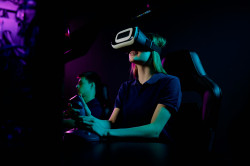
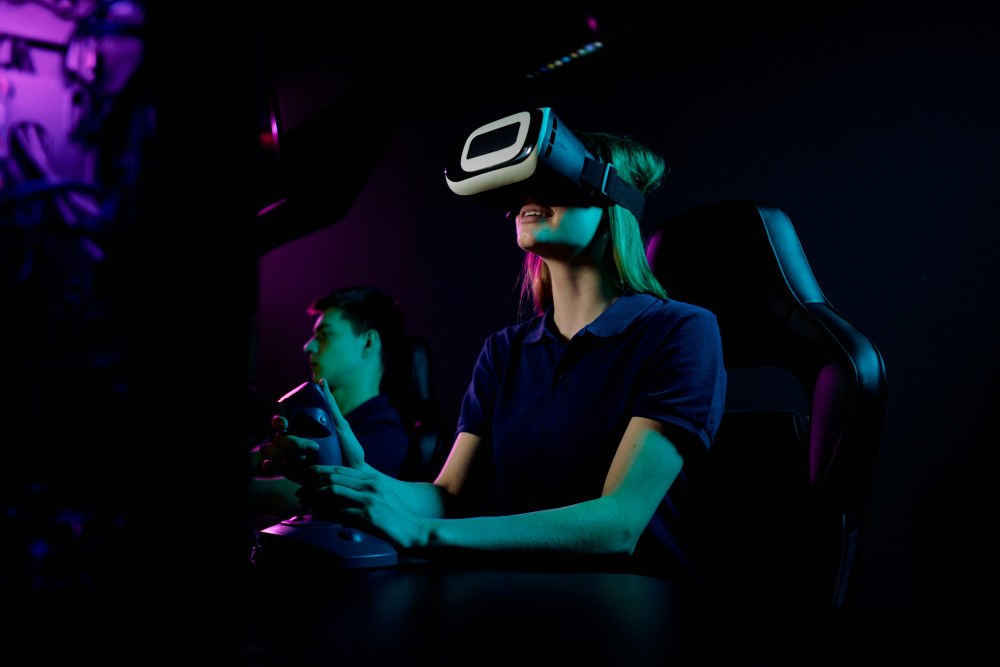
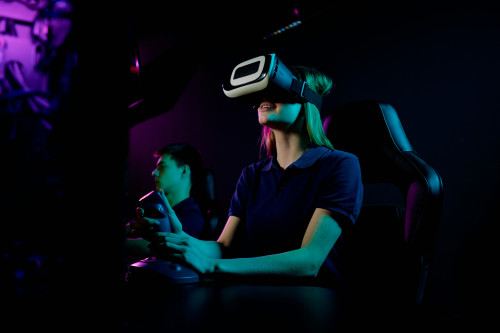
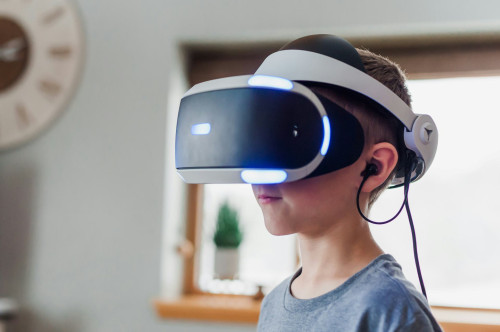
Gaming’s journey from niche pastime to mainstream powerhouse is one of the most significant cultural shifts of the modern era. What was once dismissed as an isolated hobby is now a global cultural language influencing fashion, music, film, and even politics. The future points toward even deeper integration, with virtual reality, artificial intelligence, and interactive storytelling pushing the boundaries of what games can be.
Gaming has become part of our daily lives, our conversations, and our shared experiences. It’s no longer a question of whether you play—but how.
Læs også: