When Exercise Becomes a Game: How Gamification Motivates Users in Fitness Apps

When Exercise Becomes a Game: How Gamification Motivates Users in Fitness Apps
Getting off the couch and into workout mode can be tough—especially on days when streaming shows and takeout sound more appealing than sneakers and sweat. But what if exercise felt more like play? That’s the idea behind gamification—the use of game design elements in non-game contexts—which has become a driving force in many fitness apps. Points, badges, levels, and virtual challenges make movement more engaging, turning workouts into something people actually look forward to.
When Fitness Meets Game Mechanics
Gamification takes the mechanics that make games addictive and applies them to everyday activities. In the fitness world, that means you’re not just running a mile—you’re earning points, unlocking new challenges, or competing with friends.
Apps like Strava, Fitbit, and Zombies, Run! have all embraced this approach. Strava lets users compare their times on specific routes and climb leaderboards. Fitbit rewards milestones with virtual trophies and badges. Zombies, Run! transforms your jog into an interactive story where you’re escaping from zombies.
What they all share is the ability to make exercise feel like an experience—not a chore.
Motivation Through Rewards and Community
One of the hardest parts of maintaining a fitness routine is staying motivated. That’s where gamification shines. When you get a notification that you’ve beaten your personal best or see a friend complete a challenge, it reinforces that your effort matters.
Reward systems—points, badges, and levels—trigger small dopamine releases in the brain, creating a sense of satisfaction. It’s the same mechanism that makes video games so engaging, but here it’s used to build healthy habits.
Many apps also add a social layer. You can follow friends, share results, and cheer each other on. That sense of community can be just as motivating as the rewards themselves, especially for users who thrive on connection and accountability.
Data as a Driving Force
Gamification isn’t just about fun—it’s also about data. Most fitness apps track everything from steps and heart rate to sleep and calorie burn. When that data is presented in a clear, visually appealing way, it becomes part of the game.
Seeing your progress over time—how many miles you’ve logged or how many days in a row you’ve worked out—can be a powerful motivator. It provides a tangible sense of improvement that’s often missing when the focus is only on weight or appearance.
The Risk of Losing the Joy
While gamification can be a powerful motivator, it’s not without pitfalls. When the focus shifts from the experience itself to points and performance, exercise can lose its original meaning. Some users become so fixated on hitting targets or maintaining streaks that they feel discouraged when they fall short.
That’s why it’s important to treat gamification as a supplement, not a substitute, for intrinsic motivation. It should enhance the joy of movement—not replace it with pressure.
Læs også:
The Future of Fitness: More Play, More Personalization
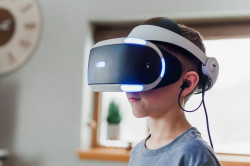
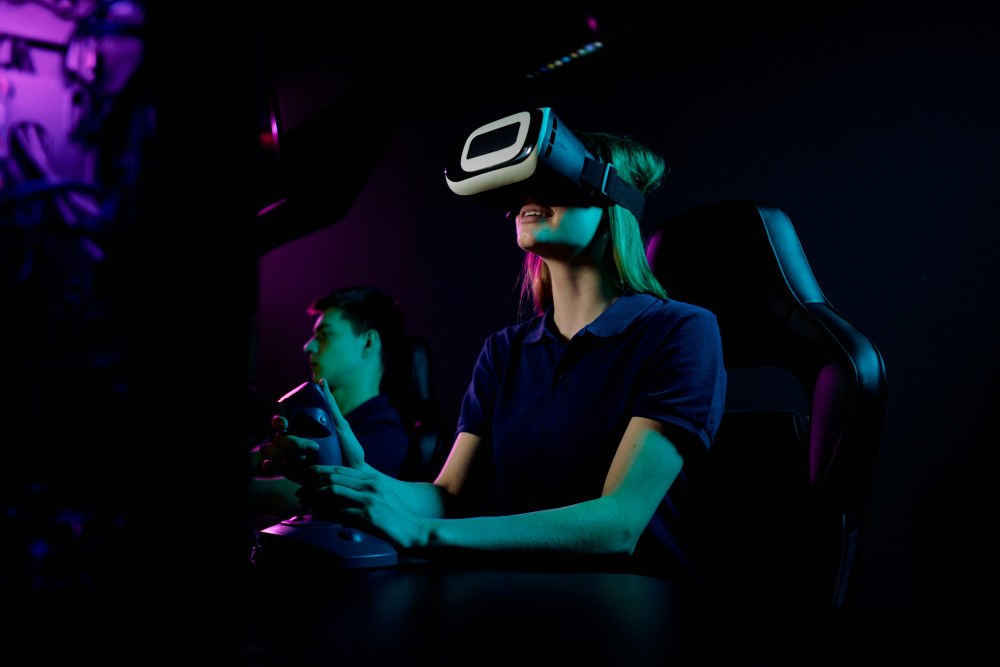
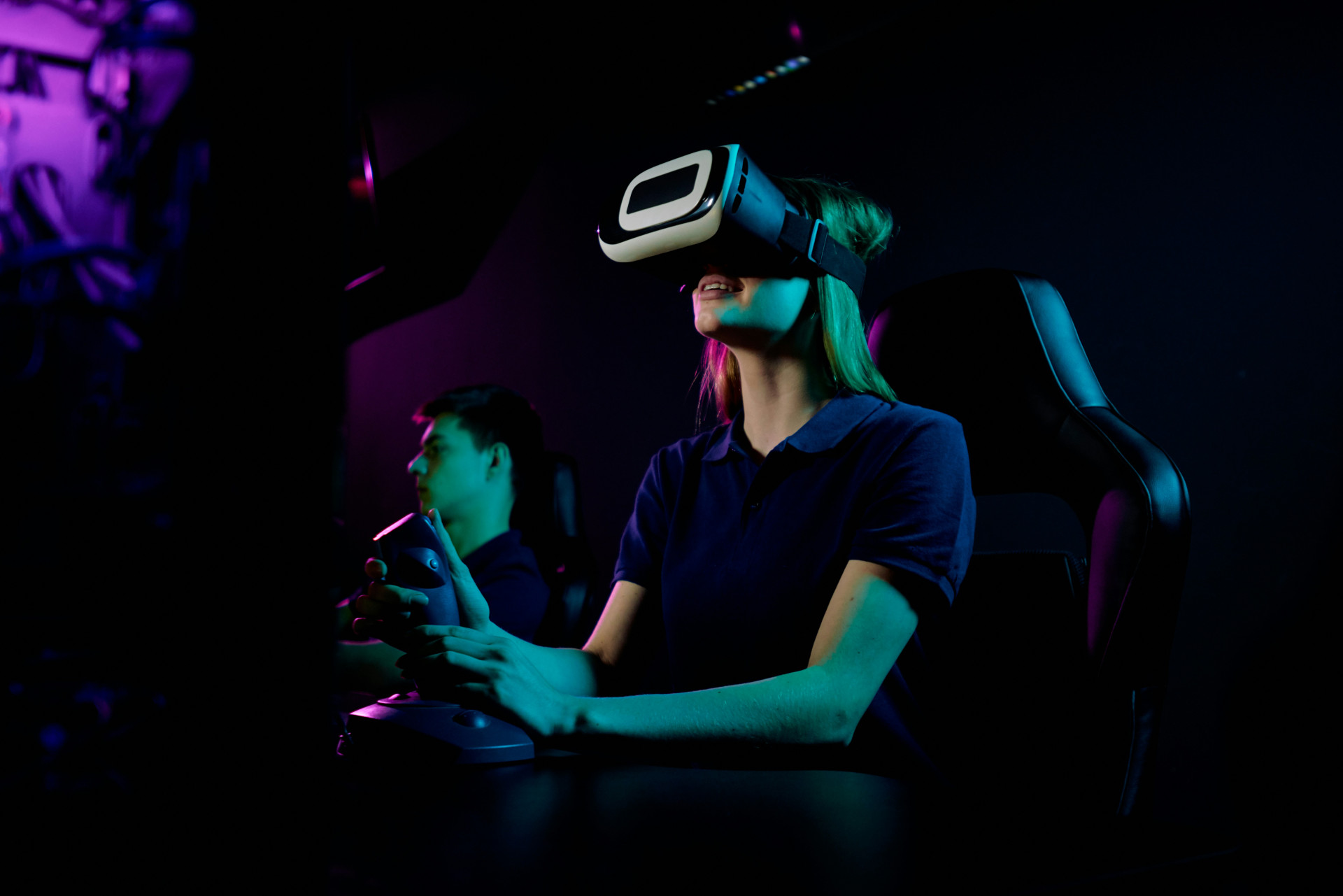
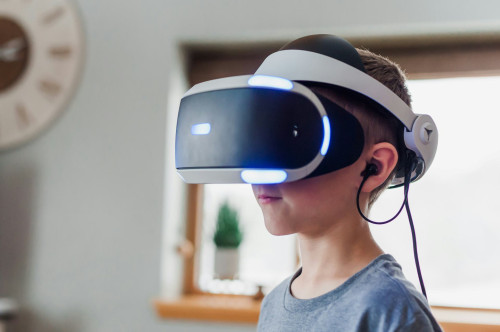
The evolution of gamification is far from over. Emerging technologies like augmented reality (AR) and virtual reality (VR) are creating even more immersive workout experiences. Imagine cycling through virtual landscapes, boxing against digital opponents, or joining global challenges in real time.
At the same time, apps are becoming more personalized. Artificial intelligence can tailor challenges and rewards to each user’s habits and goals, making workouts feel custom-built. That personalization keeps things fresh—and helps users stay consistent.
When Play Makes Us Stronger
Gamification proves that motivation isn’t just about willpower—it’s about experience. When exercise becomes a game, it’s easier to rediscover the joy of movement and stick with it.
For some, it’s the competition that drives them. For others, it’s the story, the community, or the satisfaction of seeing progress unfold. Whatever the reason, gamification shows that a little play can go a long way—especially when it comes to our health.
Læs også: