Shared Screen Time: Digital Devices as a Point of Connection Between Children and Adults

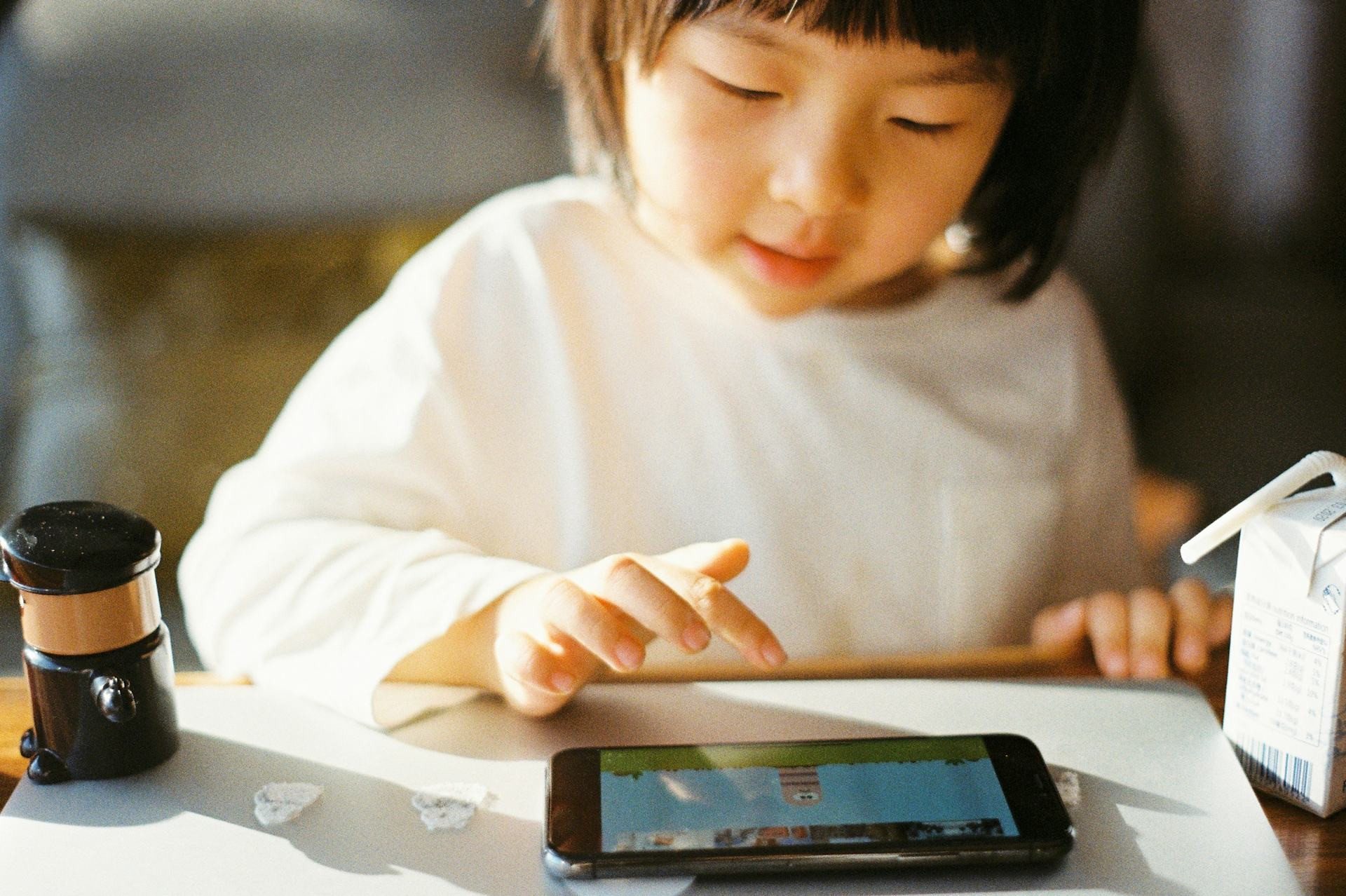
Shared Screen Time: Digital Devices as a Point of Connection Between Children and Adults
In many American households, screens are often seen as a source of separation—kids absorbed in games or social media while parents scroll through emails or binge-watch shows. But digital devices can also bring generations together. When screen time becomes shared time, it can foster connection, learning, and understanding across ages.
From Separation to Connection
Screens are a natural part of everyday life for both children and adults. Instead of viewing them as barriers, we can see them as shared spaces. When parents sit down with their children and take an interest in what they’re doing online, opportunities for dialogue and closeness arise.
That might mean playing a game together, watching a documentary, or exploring a new app. The goal isn’t for adults to take over the child’s digital world, but to participate with curiosity and openness.
Shared Experiences on the Screen
There are many ways to use screens as a point of connection:
- Cooperative gaming – Choose games that require teamwork rather than competition. It encourages communication and problem-solving.
- Movies and shows with conversation – Watch something together and talk afterward about the themes, characters, and choices. It can spark meaningful discussions about values and emotions.
- Creative projects – Make videos, edit photos, or try digital drawing tools together. Kids can showcase their skills while adults learn something new.
- Virtual adventures – Take online museum tours or explore nature through virtual reality. It’s a fun way to combine learning and play.
When screens are used intentionally and with shared purpose, they become tools for togetherness rather than isolation.
Læs også:




Learning Through Shared Curiosity
Children often pick up new technology quickly, while adults may feel a step behind. That’s exactly why shared screen time can be an opportunity to switch roles. When a child gets to teach a parent how a game works or how to edit a video, it builds confidence and strengthens the bond between them.
At the same time, adults can offer perspective and critical thinking—discussing topics like online privacy, advertising, and credibility. In this way, screen time becomes more than entertainment; it becomes a space for learning and growth.
Creating Balance and Awareness
Shared screen time doesn’t mean being online all the time—it’s about using technology thoughtfully. Setting boundaries for when and how screens are used, both together and individually, can help maintain balance.
For example, families might schedule specific times to watch or play together, and other times when devices are put away. This structure helps preserve a healthy rhythm between digital and offline life.
A Window Into Each Other’s Worlds
For many parents, it can be hard to understand why kids spend so much time in front of screens. But by joining them in their digital spaces, parents gain insight into what captures their children’s attention—and why. This can lead to greater mutual respect and understanding.
Likewise, children can learn about how adults use technology—for work, news, or creativity. When both generations share their perspectives, the screen becomes a window into each other’s worlds.
Shared Screen Time as Modern Family Time
In a fast-paced world, screens can actually serve as a gathering place for families. It just takes intention and shared purpose.
Shared screen time isn’t about replacing conversation, play, or physical closeness—it’s about expanding them. When children and adults meet around the digital, it can strengthen relationships, create new traditions, and make room for laughter, learning, and reflection.
Læs også: