When the System Gets to Know You: Personal Operating Systems Take Shape


Technology is evolving toward systems that understand you as much as you understand them
Units
Units
3 min
Personal operating systems are emerging as the next step in human–computer interaction. By learning from your behavior and preferences, these intelligent systems promise a more intuitive, adaptive, and personalized digital experience—while raising new questions about privacy and control.
Ivy Davis
Ivy
Davis

When the System Gets to Know You: Personal Operating Systems Take Shape

Technology is evolving toward systems that understand you as much as you understand them
Units
Units
3 min
Personal operating systems are emerging as the next step in human–computer interaction. By learning from your behavior and preferences, these intelligent systems promise a more intuitive, adaptive, and personalized digital experience—while raising new questions about privacy and control.
Ivy Davis
Ivy
Davis

Imagine an operating system that doesn’t just respond to your commands but understands your habits, preferences, and needs—almost like a digital companion that grows with you. It might sound like science fiction, but the development of personal operating systems is already underway. Tech giants and startups alike are working to create systems that adapt to each individual user in ways we’ve never seen before.

From Standard Software to a Personal Experience

For decades, operating systems like Windows, macOS, and Android have been designed to work the same for everyone. You could change your wallpaper, install apps, and tweak settings, but the core experience remained uniform. Now, we’re entering an era where the system learns from you—not just what you click, but how you work, communicate, and organize your life.

A personal operating system might anticipate which apps you’ll need throughout the day, suggest meeting times based on your habits, or automatically adjust notifications so you’re not interrupted when you’re focused. It’s not just about convenience; it’s about creating a digital environment that feels natural and intuitive.

Artificial Intelligence at the Core

At the heart of these new systems lies artificial intelligence. By analyzing user behavior over time, AI models can identify patterns and adjust the system accordingly. That could mean anything from fine-tuning screen brightness to recommending how to organize your files more efficiently.

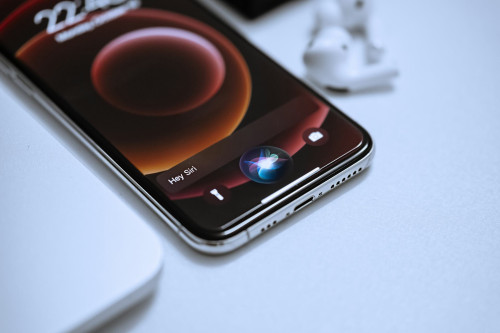
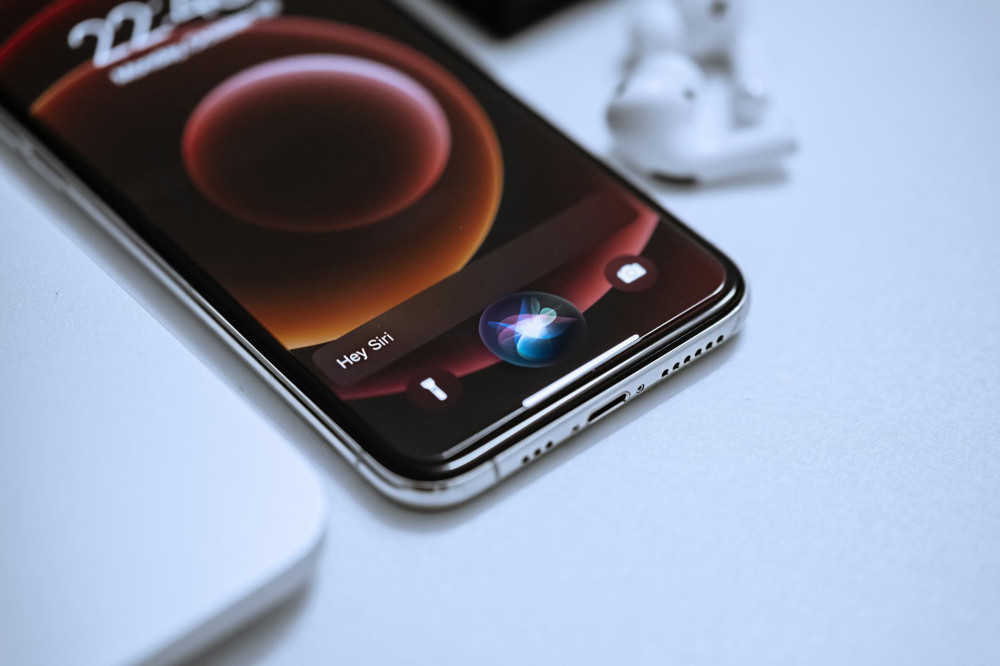
Some experimental systems go even further, integrating conversational assistants directly into the operating system. Instead of opening an app to complete a task, you can simply ask the system—and it understands the context. If you say, “Prepare the presentation for tomorrow,” the system might automatically locate the relevant documents, open your presentation software, and even suggest images or data you’ve used before.

The Privacy Challenge

When a system gets to know you, questions about data and privacy naturally arise. To personalize itself, the system must collect and analyze large amounts of information about you—and that requires trust. Developers are therefore exploring solutions that process data locally on your device rather than sending it to the cloud.

Several companies are experimenting with “on-device learning,” where the system learns from your actions without sharing data externally. This approach gives users more control and reduces the risk of misuse. Transparency is also key: users should be able to see what the system is learning and have the option to reset or delete that data at any time.

A New Way to Interact with Technology

Personal operating systems don’t just change how we use our devices—they redefine our relationship with technology itself. Instead of you adapting to the system, the system adapts to you. That can make daily life more efficient, but it also raises questions about dependence and control.

If your system always knows what you want, you might lose some of the conscious decision-making that shapes your day. That’s why the future of design isn’t just about intelligence—it’s about balance. The goal is to create systems that assist without taking over.

The Future: A Digital Reflection of You

We’re only at the beginning of this transformation. In the coming years, we’ll likely see operating systems that move seamlessly across devices—from your laptop to your phone to your car—while maintaining your personal configuration. Your digital environment will follow you wherever you go.

The personal operating system will become more than just a tool; it will be an extension of yourself. The question is no longer whether the system can get to know you—but how well you want it to.

Shared Screen Time: Digital Devices as a Point of Connection Between Children and Adults
Turning screen time into shared moments that strengthen family bonds
Units
Units
Family
Parenting
Technology
Digital Media
Connection
4 min
Digital devices don’t have to create distance between generations. This article explores how parents and children can use shared screen time to connect, learn, and understand each other better—transforming technology into a bridge rather than a barrier.
Aurora Chavez
Aurora
Chavez
When the System Gets to Know You: Personal Operating Systems Take Shape
Technology is evolving toward systems that understand you as much as you understand them
Units
Units
Artificial Intelligence
Personalization
Technology
Privacy
Future Trends
3 min
Personal operating systems are emerging as the next step in human–computer interaction. By learning from your behavior and preferences, these intelligent systems promise a more intuitive, adaptive, and personalized digital experience—while raising new questions about privacy and control.
Ivy Davis
Ivy
Davis
Make the Most of Your Free Cloud Storage — and Avoid Running Out of Space
Keep your digital life organized and your cloud space under control
Units
Units
Cloud Storage
File Management
Digital Organization
Productivity
Technology
5 min
Learn how to manage your free cloud storage efficiently with simple strategies for cleaning, organizing, and optimizing your files. Discover how to make the most of limited space on Google Drive, iCloud, OneDrive, and other services without paying for upgrades.
Jonah Andrews
Jonah
Andrews
Virtual Reality in Rehabilitation: When Technology Helps the Body Move Again
How virtual reality is transforming physical therapy and helping patients recover through immersive experiences
Tech
Tech
Virtual Reality
Rehabilitation
Healthcare Technology
Physical Therapy
Innovation
3 min
Virtual reality is revolutionizing rehabilitation by turning therapy sessions into engaging, interactive experiences. From stroke recovery to post-surgery training, VR helps patients rebuild strength, coordination, and confidence—bridging the gap between technology and human healing.
Elias Cooper
Elias
Cooper
Digitalization Changes Everything: New Demands for Service, Speed, and Accessibility
How digital transformation is redefining expectations for service, speed, and accessibility
Tech
Tech
Digitalization
Customer Experience
Technology
Innovation
Accessibility
6 min
As digitalization reshapes every aspect of daily life, customers and citizens alike demand faster, simpler, and more accessible solutions. This article explores how organizations can meet these new expectations and build trust in an increasingly digital world.
Wyatt Baker
Wyatt
Baker
The Future of Transportation: How New Technology Is Changing the Way We Move
Discover how innovation, sustainability, and automation are redefining the way we travel
Tech
Tech
Transportation
Technology
Innovation
Sustainability
Future Mobility
4 min
From electric cars and shared mobility to AI-driven vehicles and green energy, transportation is undergoing a rapid transformation. Explore how emerging technologies are shaping smarter, cleaner, and more connected ways to move in the future.
Aurora Chavez
Aurora
Chavez
Make Your Digital Meetings More Engaging – How to Strengthen Online Collaboration
Turn routine video calls into meaningful, productive, and engaging online collaborations
Tech
Tech
Digital Meetings
Online Collaboration
Remote Work
Team Engagement
Virtual Communication
3 min
Discover practical strategies to make your digital meetings more dynamic and human. Learn how to boost participation, improve communication, and create a stronger sense of connection—no matter where your team members are located.
Ivy Davis
Ivy
Davis
AI as a Learning Partner: How Artificial Intelligence Strengthens Employee Skill Development
Discover how AI is reshaping workplace learning and empowering employees to grow faster and smarter.
Tech
Tech
Artificial Intelligence
Employee Development
Workplace Learning
HR Technology
Future of Work
6 min
Artificial intelligence is transforming employee development by making learning more personalized, data-driven, and continuous. Explore how AI tools can act as learning partners, support managers and HR, and help organizations build future-ready skills.
Jonah Andrews
Jonah
Andrews