Never Miss a Bill Again: How Notifications Help You Stay on Top of Your Finances

Never Miss a Bill Again: How Notifications Help You Stay on Top of Your Finances
We’ve all been there: a bill that slipped your mind, a subscription that renewed before you realized it, or a late fee that could have been avoided. In the rush of everyday life, it’s easy to lose track of payments. Fortunately, technology can help. With smart notifications and automatic reminders, you can stay organized, avoid unnecessary fees, and feel more in control of your finances.
Why Notifications Make a Difference
Notifications are small alerts that remind you of important tasks—and when it comes to money, they can be a game changer. Think of them as a digital safety net that helps you act before a problem arises.
When you get a message that your credit card payment is due soon or that your checking account balance is running low, you have the chance to take action before it’s too late. That can mean the difference between a paid bill and a late fee.
Studies show that people who use financial notifications tend to have fewer missed payments and better budgeting habits. It’s not just about technology—it’s about building good financial routines with a little digital support.
How to Use Notifications in Your Daily Life
There are many ways to use notifications depending on your needs. Here are some of the most effective:
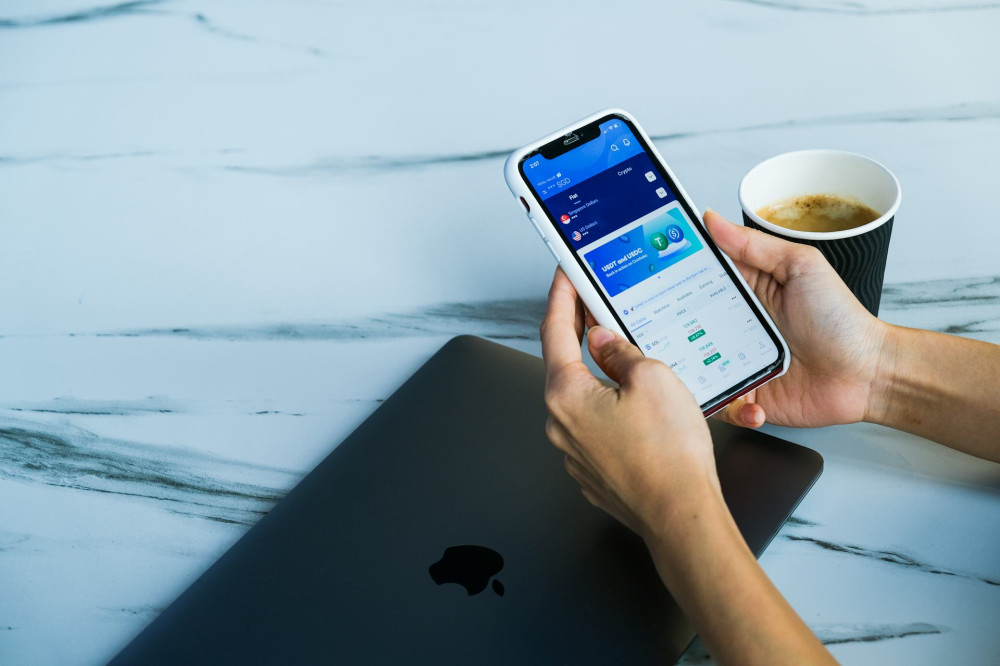
- Bank app alerts: Most U.S. banks and credit unions offer notifications for everything from low balances to upcoming payments. You can usually customize which alerts you receive and how you get them—via text, email, or app notification.
- Budgeting apps: Tools like Mint, YNAB (You Need a Budget), or Rocket Money can send reminders when you’re nearing your spending limits or when a bill is due.
- Calendar reminders: If you prefer a simple approach, add your recurring bills to your digital calendar and set a reminder a few days before each due date.
- Subscription management: Services like Truebill or Bobby can track your subscriptions and alert you before they renew—so you can cancel the ones you no longer use.
By combining different types of notifications, you can create a system that fits your lifestyle and financial goals.
Læs også:


Avoid Notification Overload
While notifications can be incredibly helpful, too many can quickly become overwhelming. The key is to find the right balance.
Start by choosing alerts that truly matter—like bill due dates, paycheck deposits, and low balance warnings. Turn off unnecessary notifications so you don’t get lost in a flood of messages.
A good strategy is to centralize your financial alerts in one place—such as your bank’s app or a dedicated finance app—rather than spreading them across multiple platforms like email, text, and social media.
Automation: The Next Step
Once you’ve set up your notifications, you can take things a step further by automating parts of your financial routine. Many banks and credit card companies allow you to set up automatic payments for recurring bills, so you never have to worry about missing one.
You can also schedule automatic transfers to savings or investment accounts. This way, managing your money becomes a seamless part of your routine—without requiring constant attention.
Notifications then serve as a helpful backup: they confirm that everything is running smoothly and alert you if something unusual happens.
Peace of Mind Through Better Organization
Staying on top of your finances isn’t just about numbers—it’s about peace of mind. When you know you’ll be reminded before something goes wrong, you can relax and focus on other things.
Notifications can’t solve every financial challenge, but they can make it easier to stay proactive and in control. It’s a small digital tool that can make a big difference in your everyday life.
Getting Started
If you’re ready to use notifications to manage your finances more effectively, start with these three simple steps:
- Review your regular expenses – Identify which bills and payments you want reminders for.
- Enable notifications in your bank or finance app – Choose the alerts that make the most sense for your situation.
- Check in after a few weeks – Adjust your settings if you’re getting too many or too few notifications.
With a little setup and fine-tuning, you can build a system that fits your life—and ensures you never miss a bill again.
Læs også: