Organize Your Finances with Simple Digital Tools

Organize Your Finances with Simple Digital Tools
Getting your finances in order doesn’t have to be complicated or time-consuming. With the right digital tools, you can gain control, plan ahead, and avoid unpleasant surprises — all from your computer or smartphone. Here’s a guide to how you can organize your finances using simple digital tools that fit seamlessly into everyday life.
Start with a Clear Overview
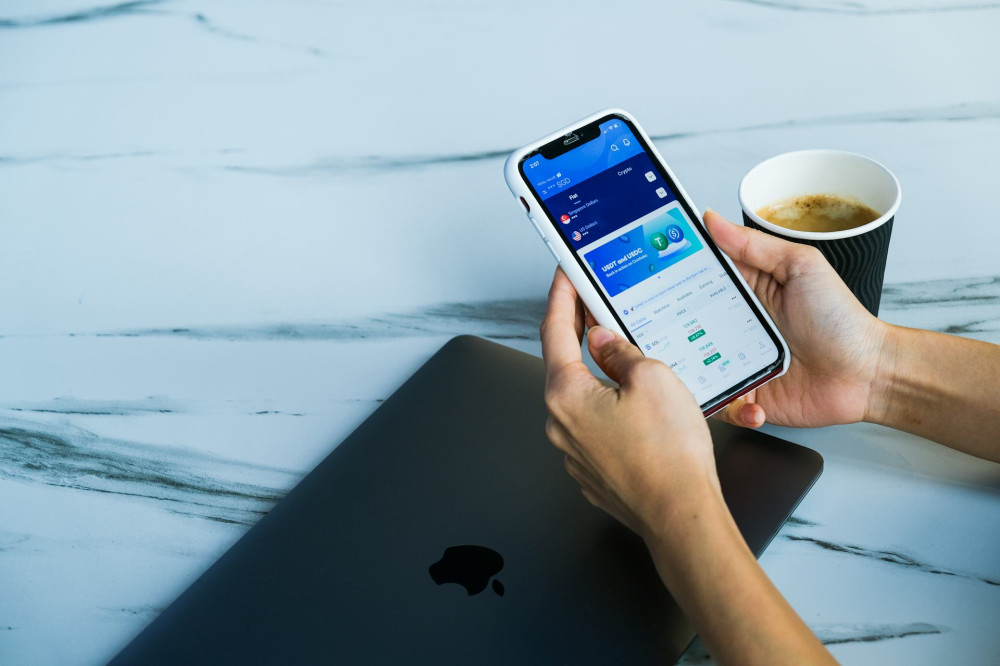
The first step toward financial stability is understanding where your money goes. Most U.S. banks now offer mobile apps that automatically categorize your spending — for example, groceries, transportation, housing, and entertainment. This gives you a quick snapshot of your habits and helps you identify areas where you can save.
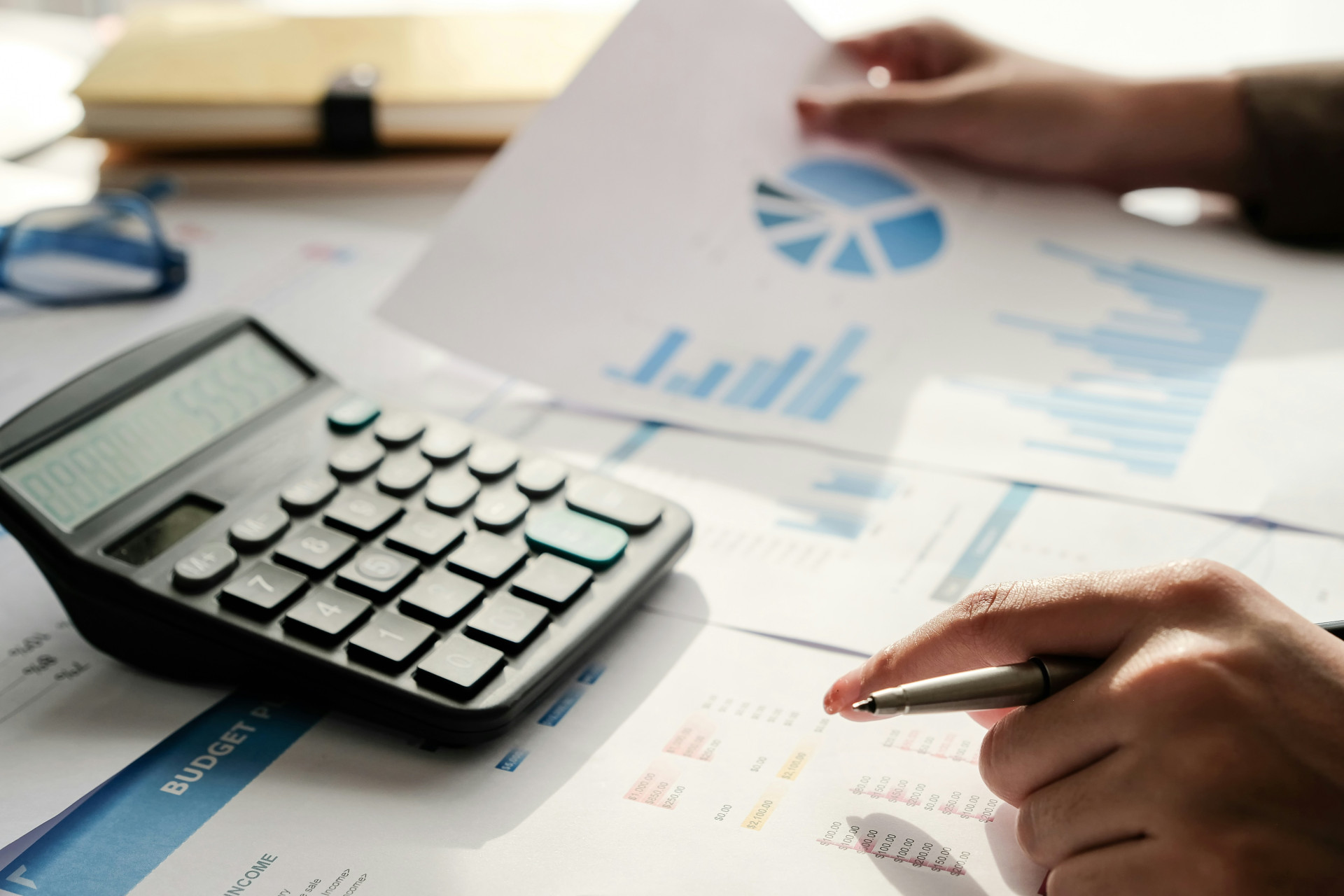
If you want a more detailed picture, try budgeting tools like Mint, YNAB (You Need a Budget), or EveryDollar. These apps sync with your bank accounts and credit cards, showing your income and expenses in real time. That way, you can see whether you’re staying within your limits without having to track everything manually.
Create a Realistic Budget
A budget isn’t a restriction — it’s a roadmap to financial freedom. When you know what you have available, you can plan your spending with confidence. Many digital budgeting tools make it easy to set up categories, define goals, and track your progress month by month.
A simple way to structure your budget is to divide it into three main parts:
- Fixed expenses – rent or mortgage, insurance, subscriptions.
- Variable expenses – food, transportation, entertainment.
- Savings and investments – money you set aside for future goals.
Automating transfers to your savings or investment accounts each month ensures that you’re paying yourself first — before the money disappears into daily spending.
Læs også:

Use Apps to Manage Bills and Subscriptions
It’s easy to lose track of recurring payments. Apps like Truebill (now Rocket Money) or Bobby can help by scanning your transactions and showing which subscriptions you’re paying for — and when they renew. This makes it simple to cancel the ones you no longer use.
You can also use calendar reminders or bill-tracking apps to stay on top of due dates. Many people find it helpful to schedule recurring payments on the same day each month, making their finances more predictable and easier to manage.
Save and Invest Digitally
Once your day-to-day finances are under control, it’s time to think about the future. Digital investment platforms like Betterment, Wealthfront, or Fidelity Go make it easy to start investing with small amounts. You don’t need to be an expert — many platforms offer automated portfolios tailored to your goals and risk tolerance.
If you prefer to focus on saving, apps like Acorns or Qapital round up your purchases to the nearest dollar and deposit the difference into a savings account. It’s a simple way to build savings without even noticing.
Keep Receipts and Documents Organized
Paper receipts and loose documents can quickly create clutter. Instead, use digital tools like Expensify or Shoeboxed to scan and store receipts in the cloud. This makes it easy to find proof of purchase or track deductible expenses at tax time.
You can also store important documents — such as insurance policies, pay stubs, and contracts — in secure cloud storage like Google Drive, Dropbox, or OneDrive. Having everything in one place gives you peace of mind and saves time when you need to find something quickly.
Make Financial Management a Habit, Not a Chore
The key to staying organized financially is consistency. Set aside 15 minutes each week to review your spending, adjust your budget, and check your progress toward your goals. Most apps make this process quick and even enjoyable — and the more you use them, the more natural it becomes.
Once you’ve established a system and gained a clear overview, you’ll find that managing your finances no longer feels like a burden. Instead, it becomes a tool for freedom, confidence, and long-term security.
Læs også: