When Banking and Payments Merge: New Frontiers in the Digital Economy

When Banking and Payments Merge: New Frontiers in the Digital Economy
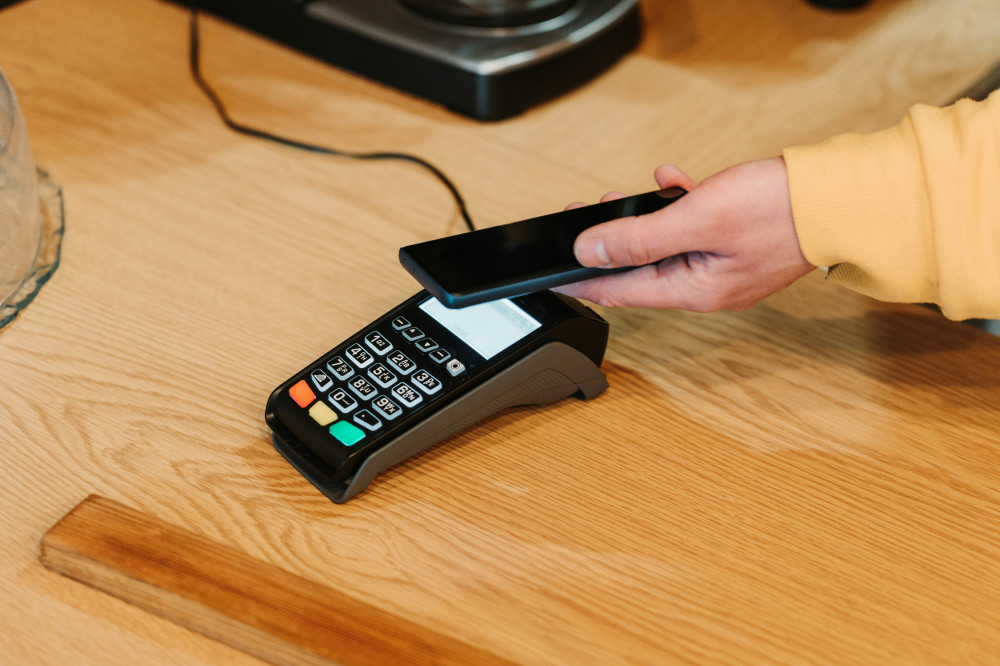
The line between banking, payments, and technology is fading fast. Where we once visited a bank branch to transfer money or swiped a card at the checkout, today we tap our phones or watches—often without thinking about which company is actually processing the transaction. Digital wallets, fintech startups, and partnerships between banks and tech giants are reshaping how Americans manage their money. But what does this mean for consumers, and where is the balance between convenience and control?
From Branch to App – A New Reality
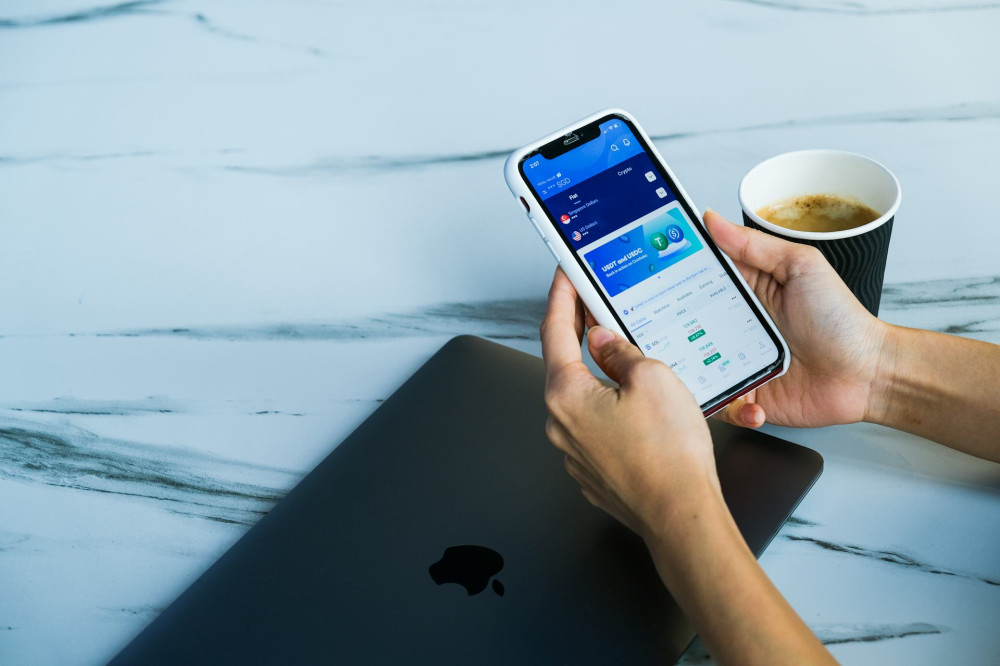
Over the past decade, the U.S. banking landscape has undergone a digital transformation. Physical branches are closing, while mobile banking and self-service apps have become the norm. For many Americans, it’s been years since they last spoke to a banker in person.
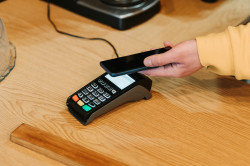
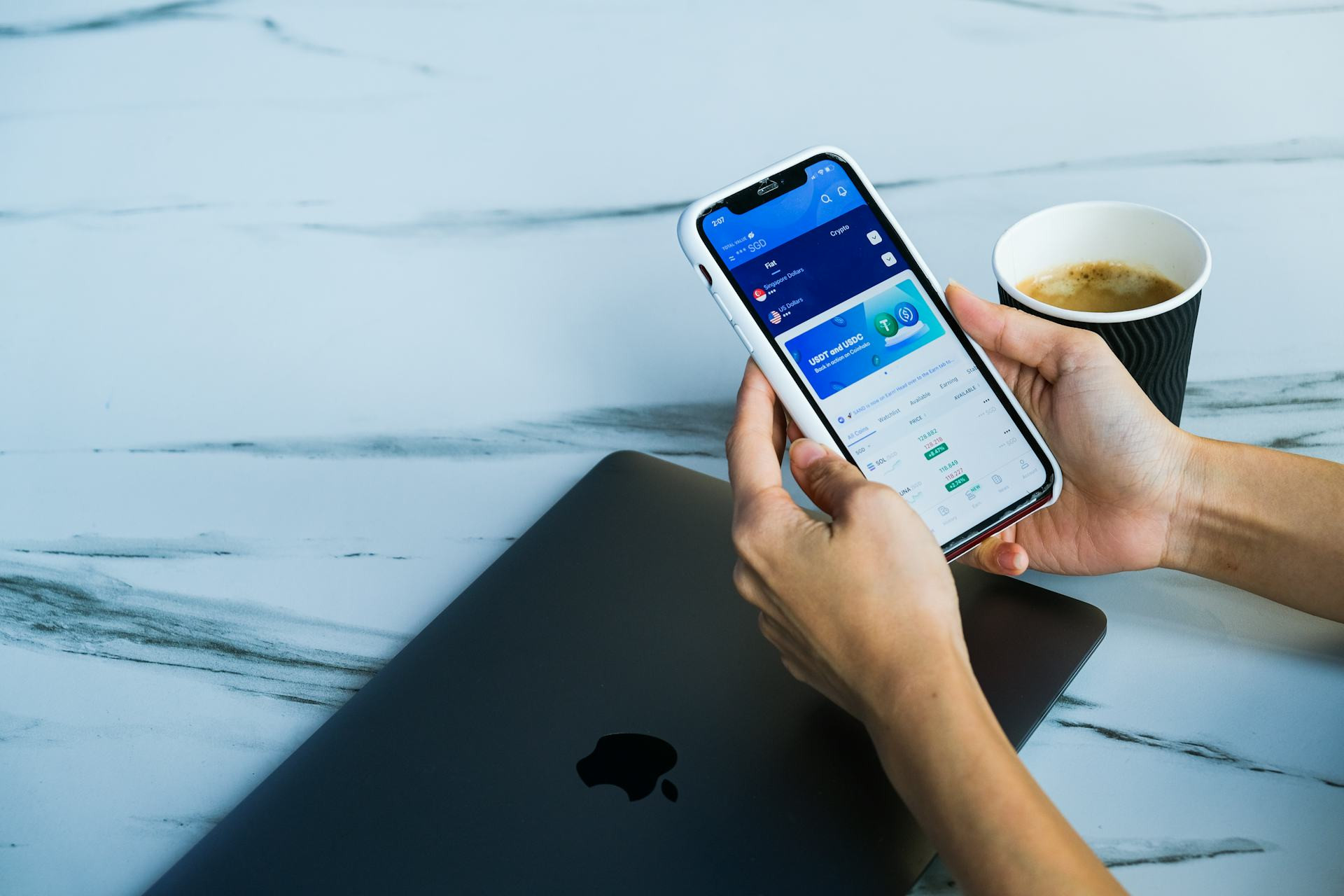
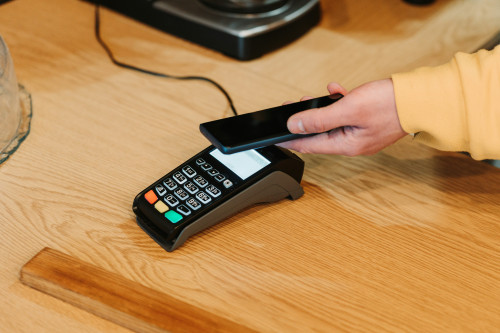
At the same time, services like Apple Pay, Google Pay, Venmo, and Cash App have made payments faster and more integrated into daily life. We pay for coffee, rideshares, and subscriptions with a single tap—often without realizing that a bank transaction is happening behind the scenes.
This shift has made the traditional bank less visible. Instead, we’re entering an economy where payments and technology merge into a seamless digital ecosystem.
Fintech Challenges the Traditional Banks
Fintech—short for “financial technology”—has rewritten the rules of finance. Agile startups have challenged established banks with user-friendly apps, instant loans, and new ways to invest or save.
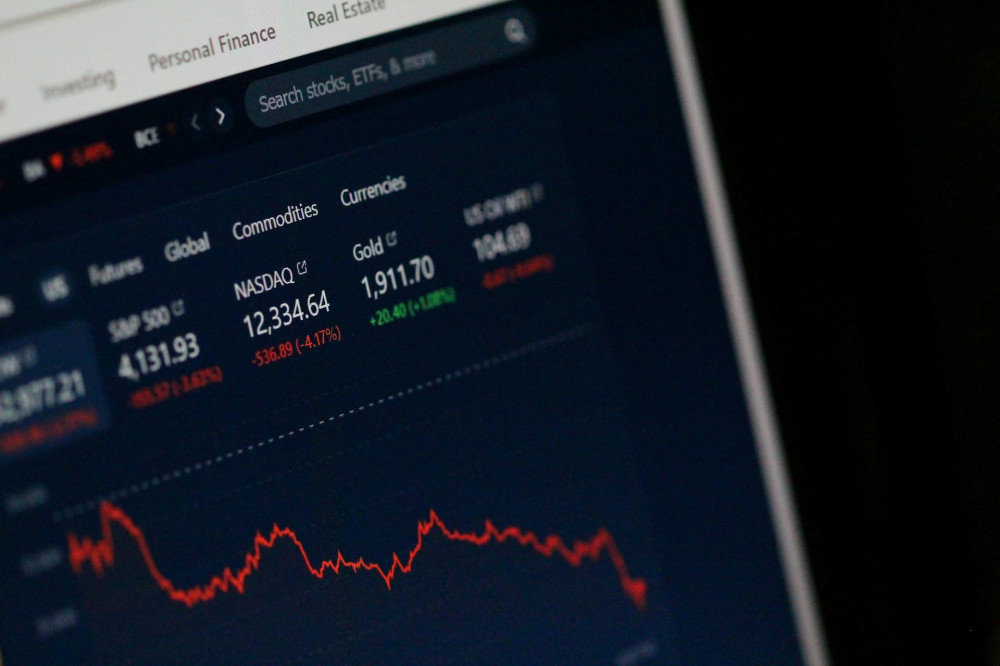
Consumers have embraced these innovations. Many prefer the flexibility and transparency of digital-first platforms, where opening an account, splitting a bill, or buying stocks can be done in seconds. This has forced traditional banks to innovate and collaborate with tech companies rather than compete against them.
In the U.S., open banking initiatives are still developing, but the trend is clear: consumers want to connect all their financial data in one place, regardless of which bank or app they use. The result is a more connected, data-driven financial experience.
Læs også:



When Payments Become Invisible
One of the most striking trends in the digital economy is the rise of “invisible payments.” When you order food through an app, rent an e-scooter, or stream a movie, the payment happens automatically in the background.
This makes life easier—but it can also make it harder to keep track of spending. As payments become embedded in services, we lose a sense of how much money is actually leaving our accounts.
Experts point to the need for new tools that help consumers maintain awareness and control over their finances, even when transactions happen seamlessly and out of sight.
Data as the New Currency
As banking and payments merge with technology, data becomes the most valuable asset. Every transaction leaves a digital footprint that can be used to analyze spending habits, personalize offers, or target ads.
For consumers, this can mean more tailored financial services—but it also raises questions about privacy and data security. Who owns the information about our financial behavior? And how can we ensure it’s not misused?
In the U.S., regulators are beginning to address these issues through initiatives like the Consumer Financial Protection Bureau’s proposed open banking rules and new data privacy laws in states like California. Still, innovation often moves faster than regulation can keep up.
Collaboration Over Competition
Rather than competing, banks, payment providers, and tech companies are increasingly working together. Banks bring financial expertise and trust; tech firms bring innovation and user experience.
The result is a wave of hybrid solutions: banking services embedded in social media apps, investment tools integrated into payment platforms, and digital wallets that double as financial dashboards. Consumers gain flexibility—but also face a more complex financial landscape to navigate.
What It Means for You
For individuals, this evolution means that money management is becoming more integrated into everyday life—and more dependent on technology. It’s important to understand which services you use, how your data is shared, and what trade-offs you’re making for convenience.
At the same time, the new digital economy offers opportunities: faster payments, better insights, and access to financial tools that were once reserved for professionals. Finance is no longer something that happens behind a bank counter—it’s part of our daily digital experience.
A New Balance Between Freedom and Responsibility
As banking and payments merge, we’re entering an era of finance that’s more fluid, personal, and efficient than ever before. But with that freedom comes responsibility—to understand how technology shapes our financial lives and to protect our own data.
The future of the digital economy isn’t just about speed or convenience. It’s about finding the right balance between innovation, trust, and control. That’s where the new frontiers are being drawn—and where consumers will need to learn to navigate.
Læs også: